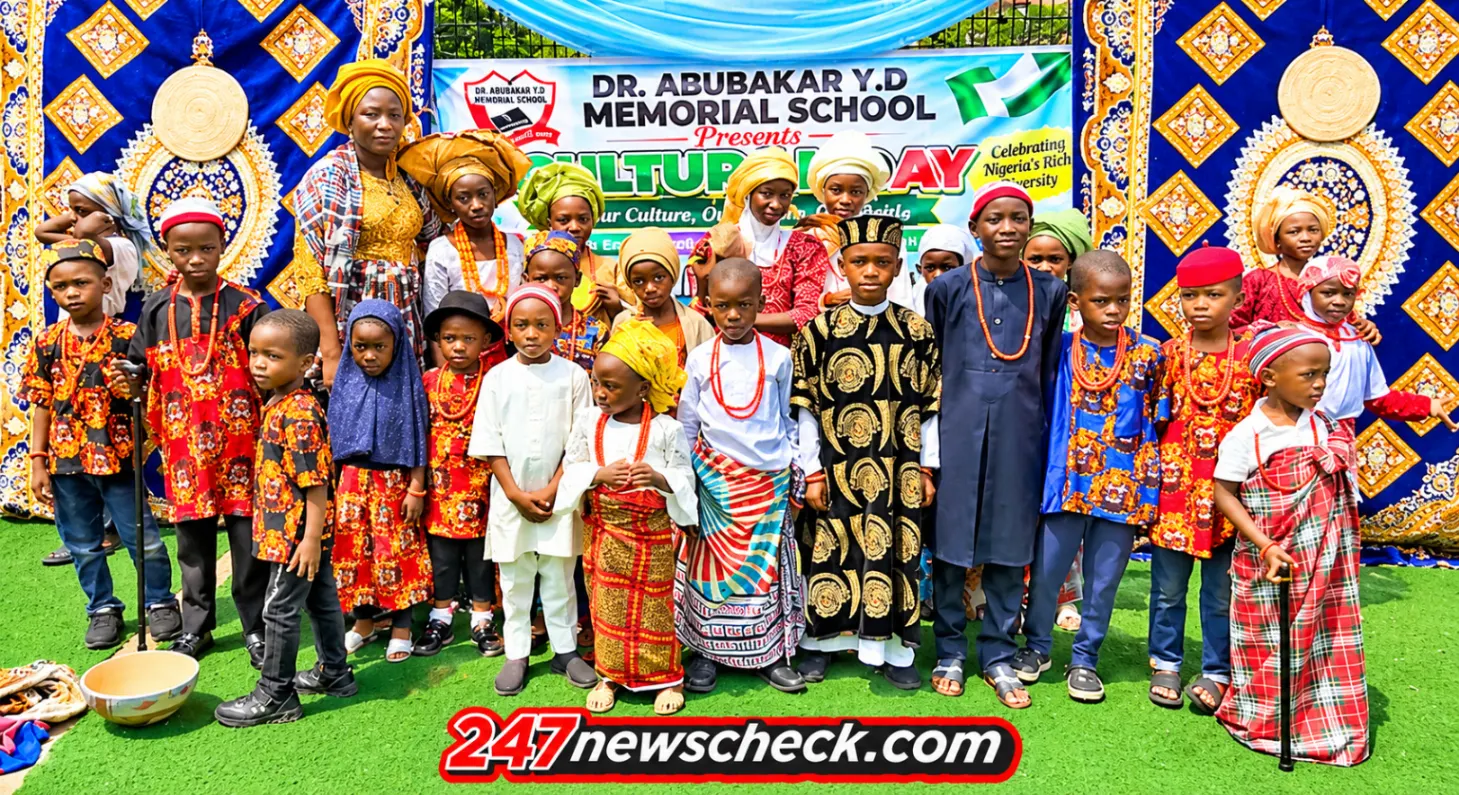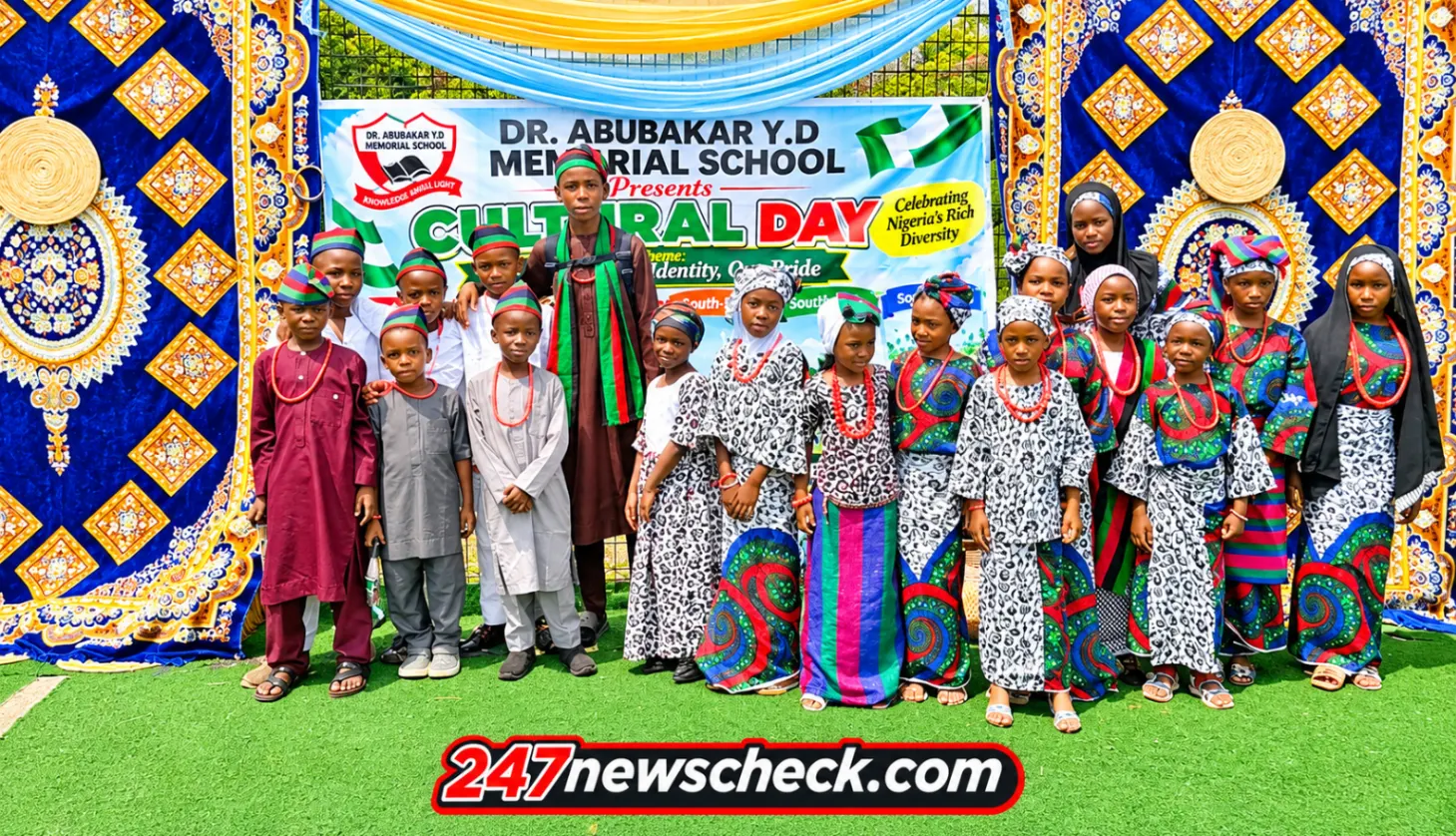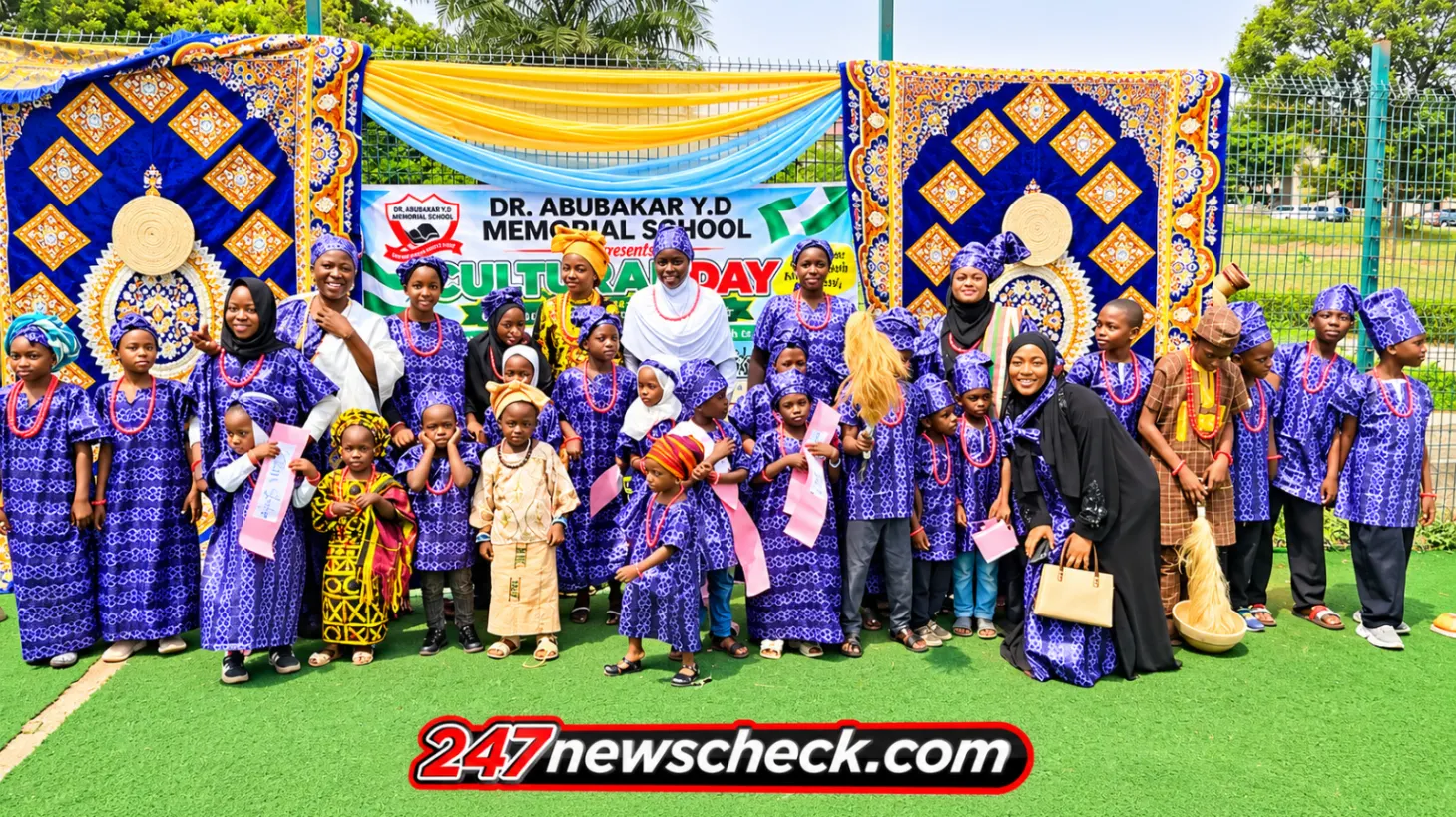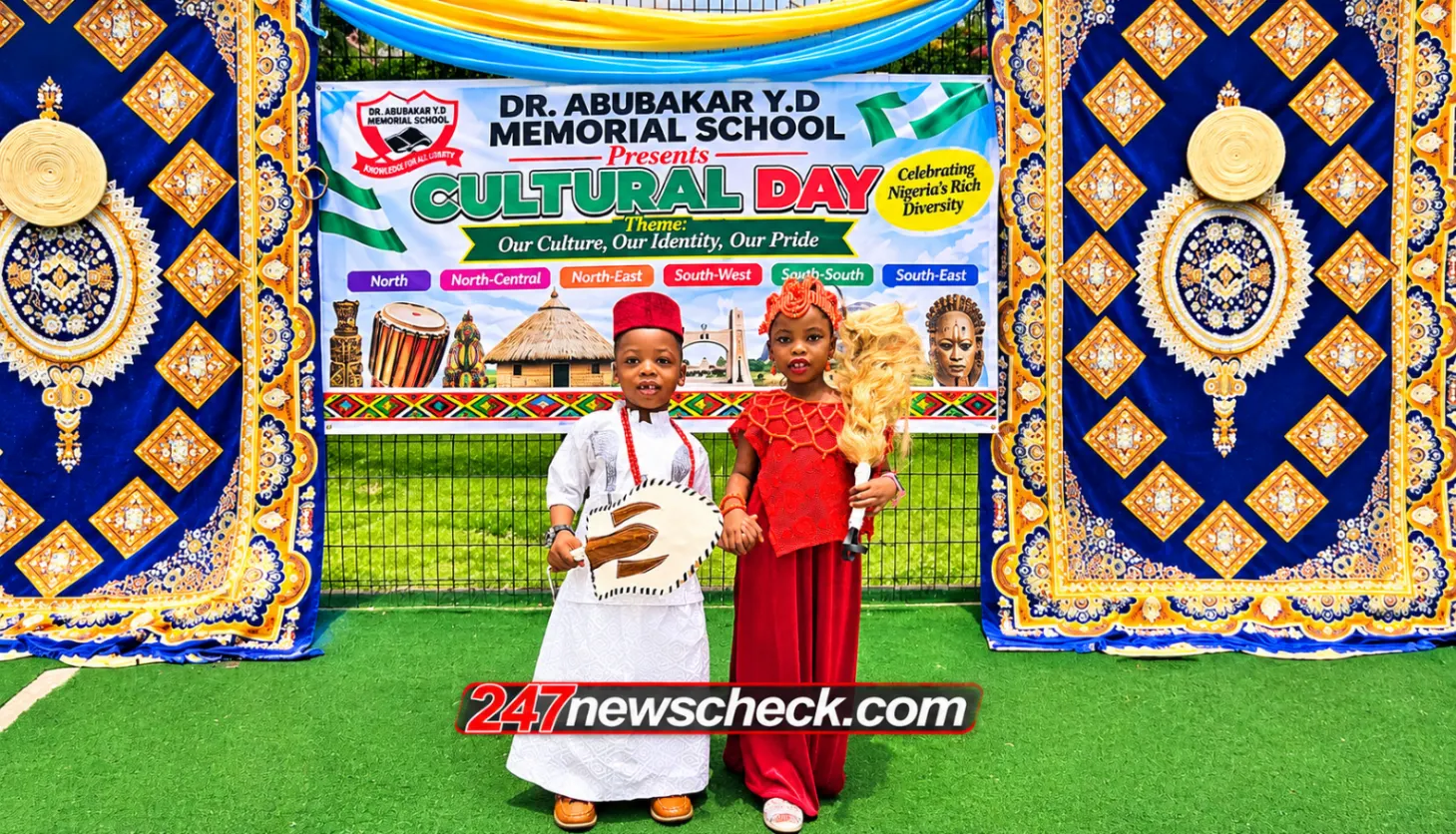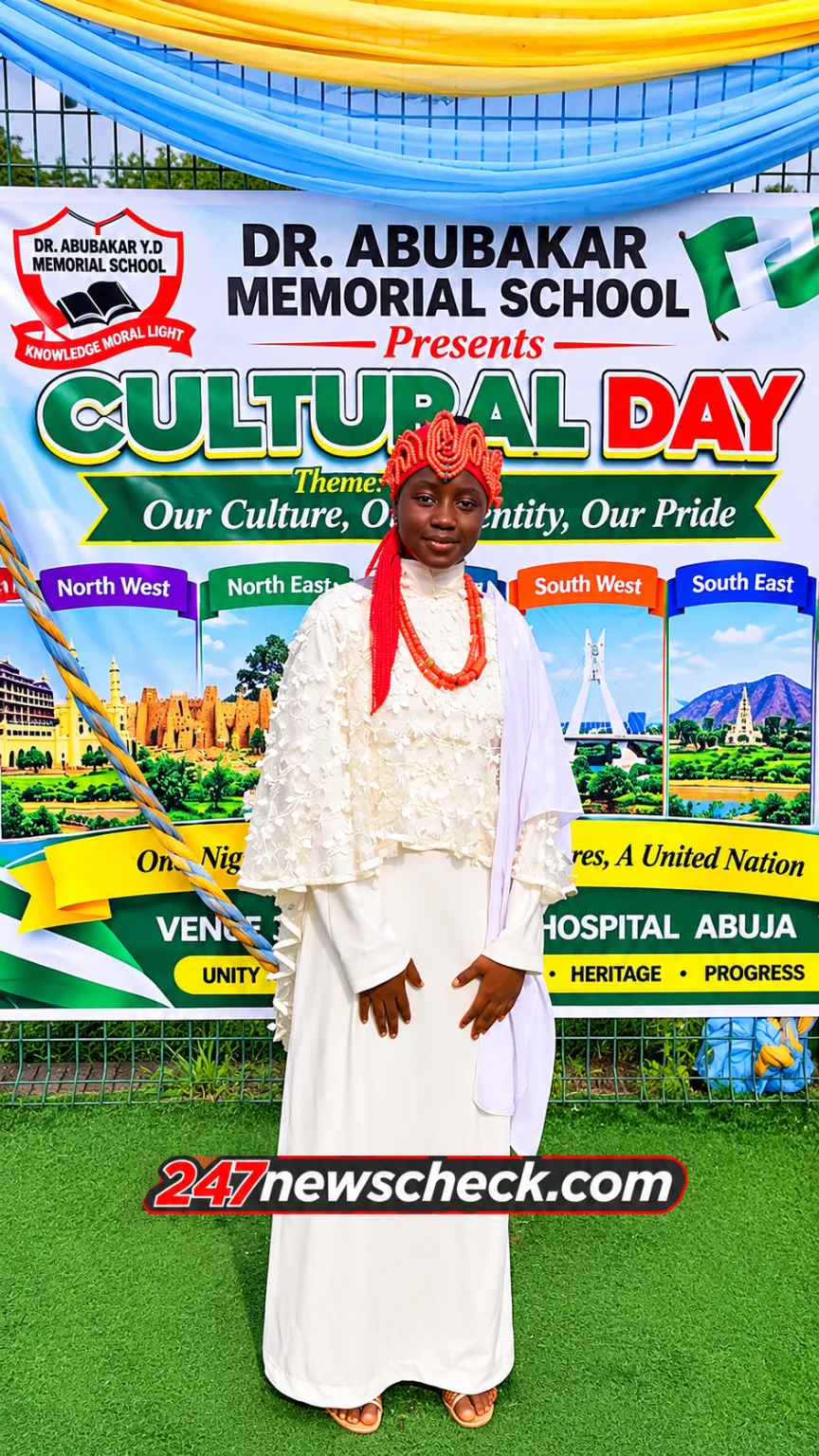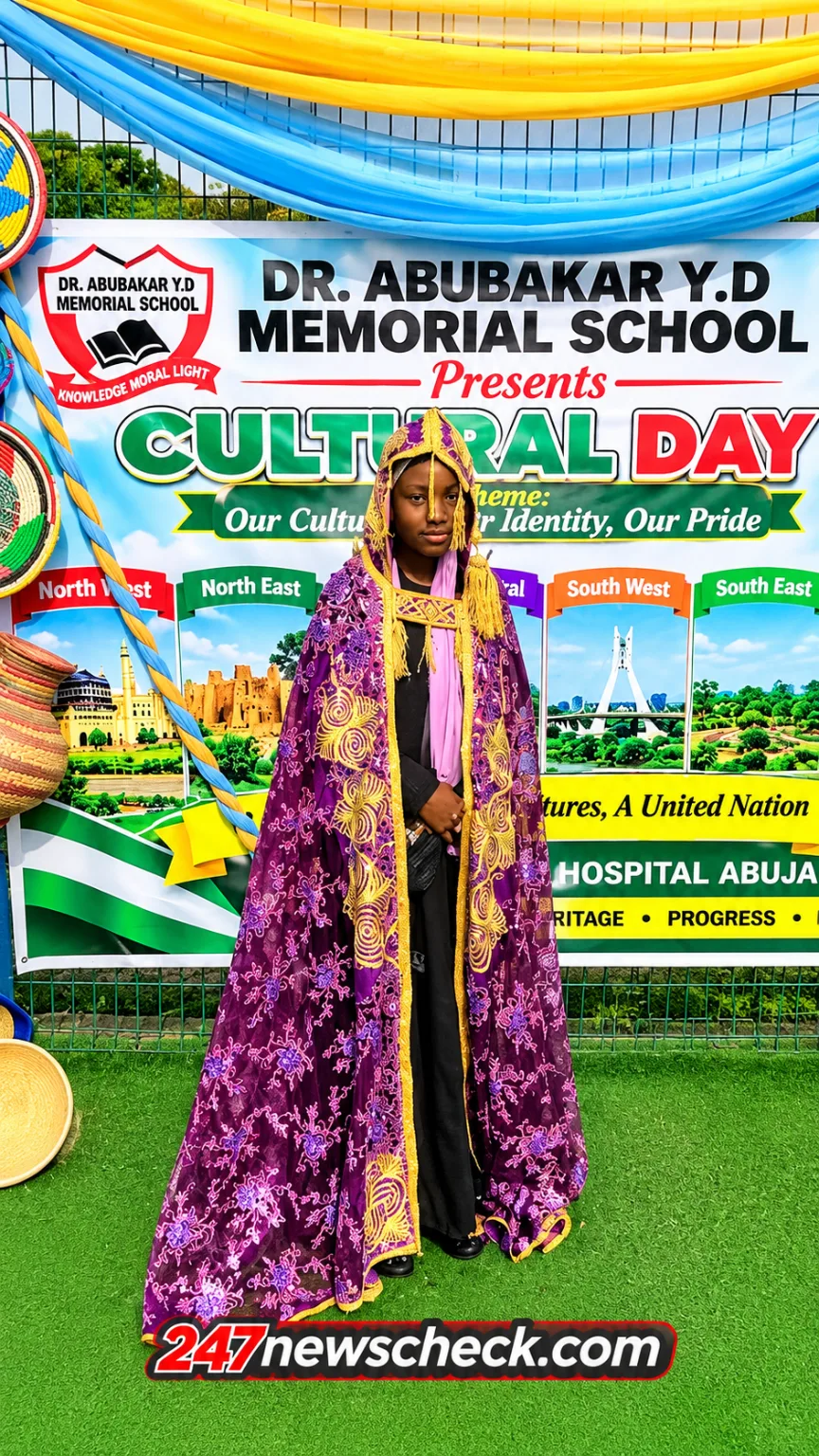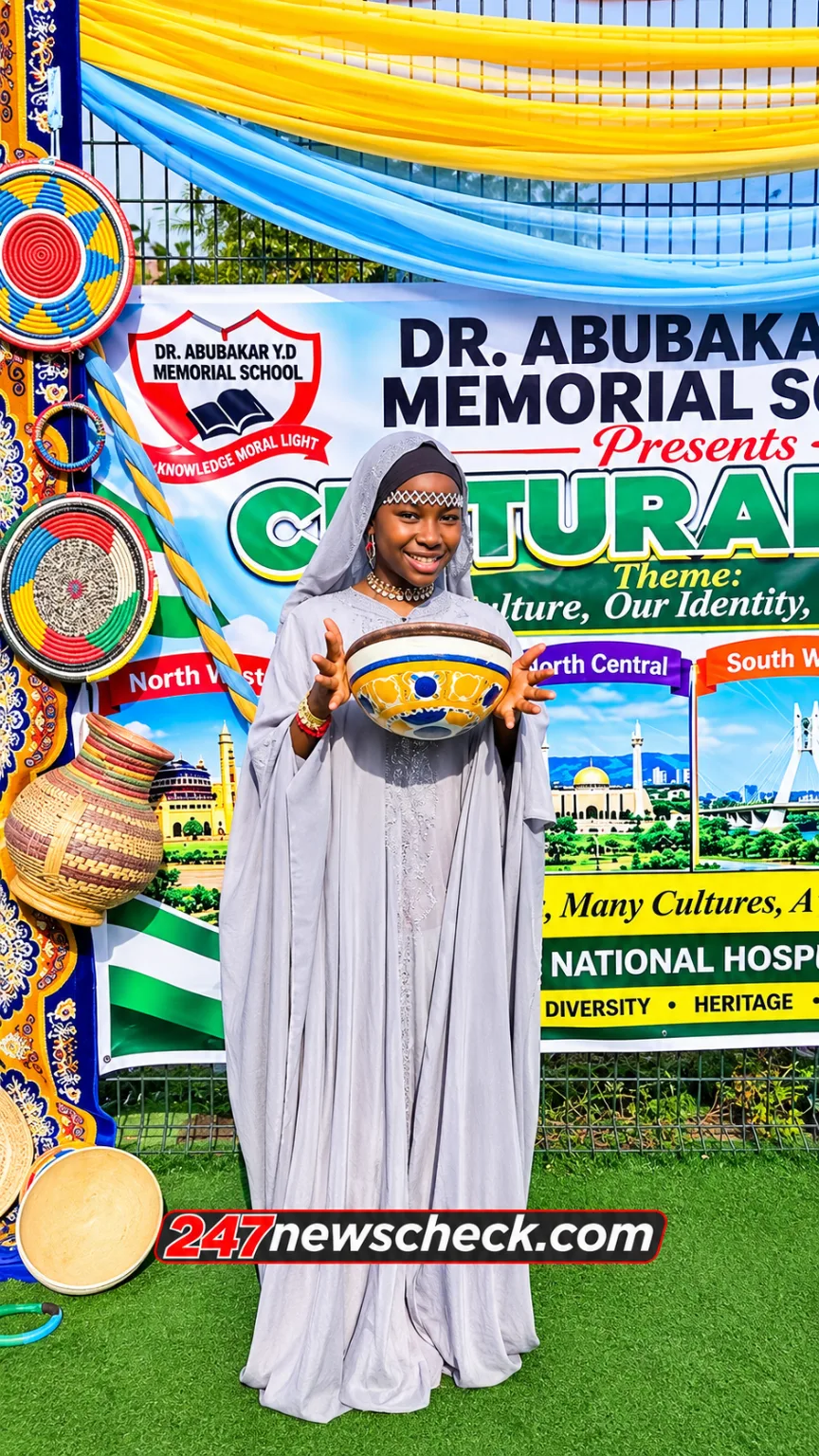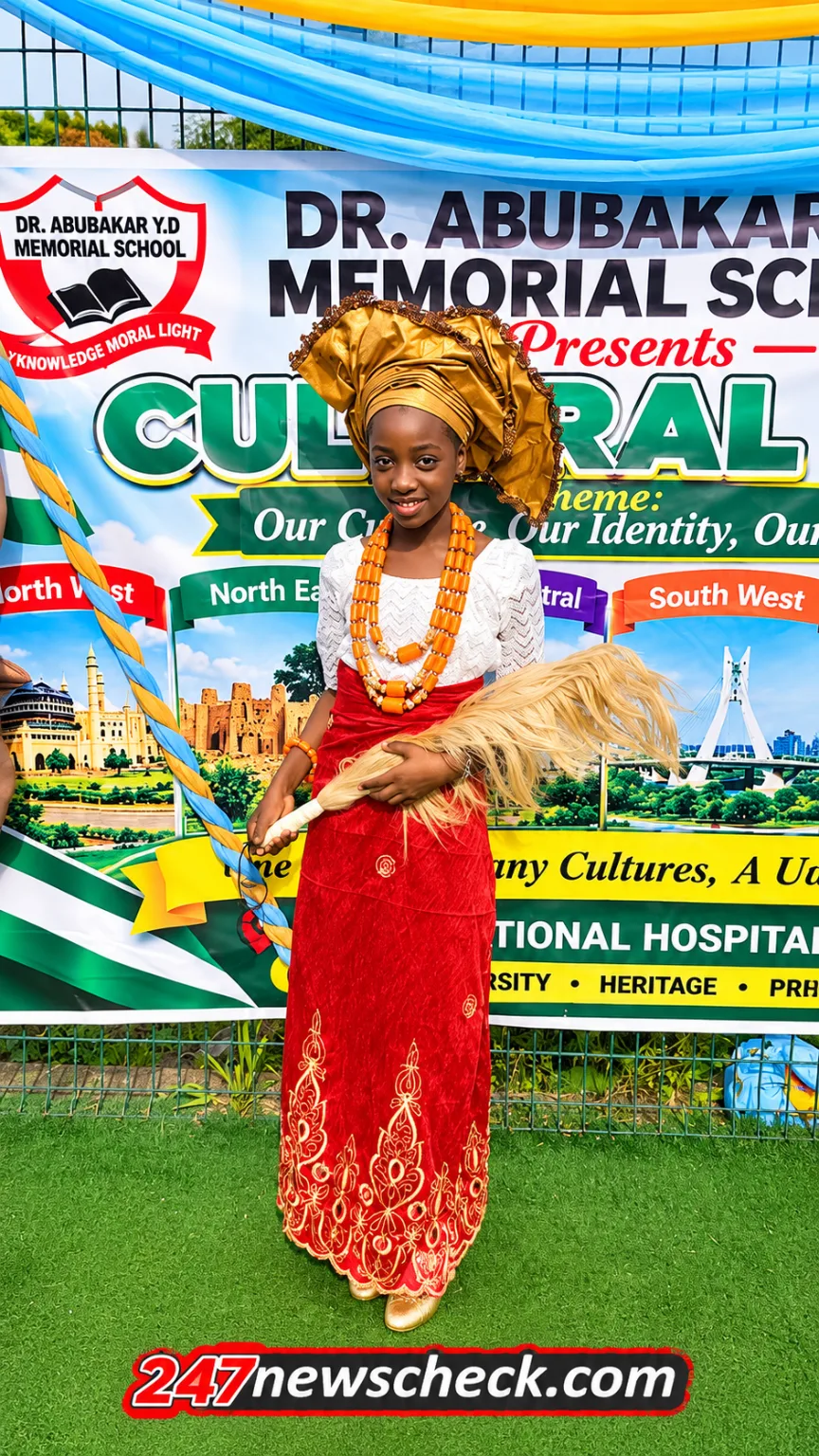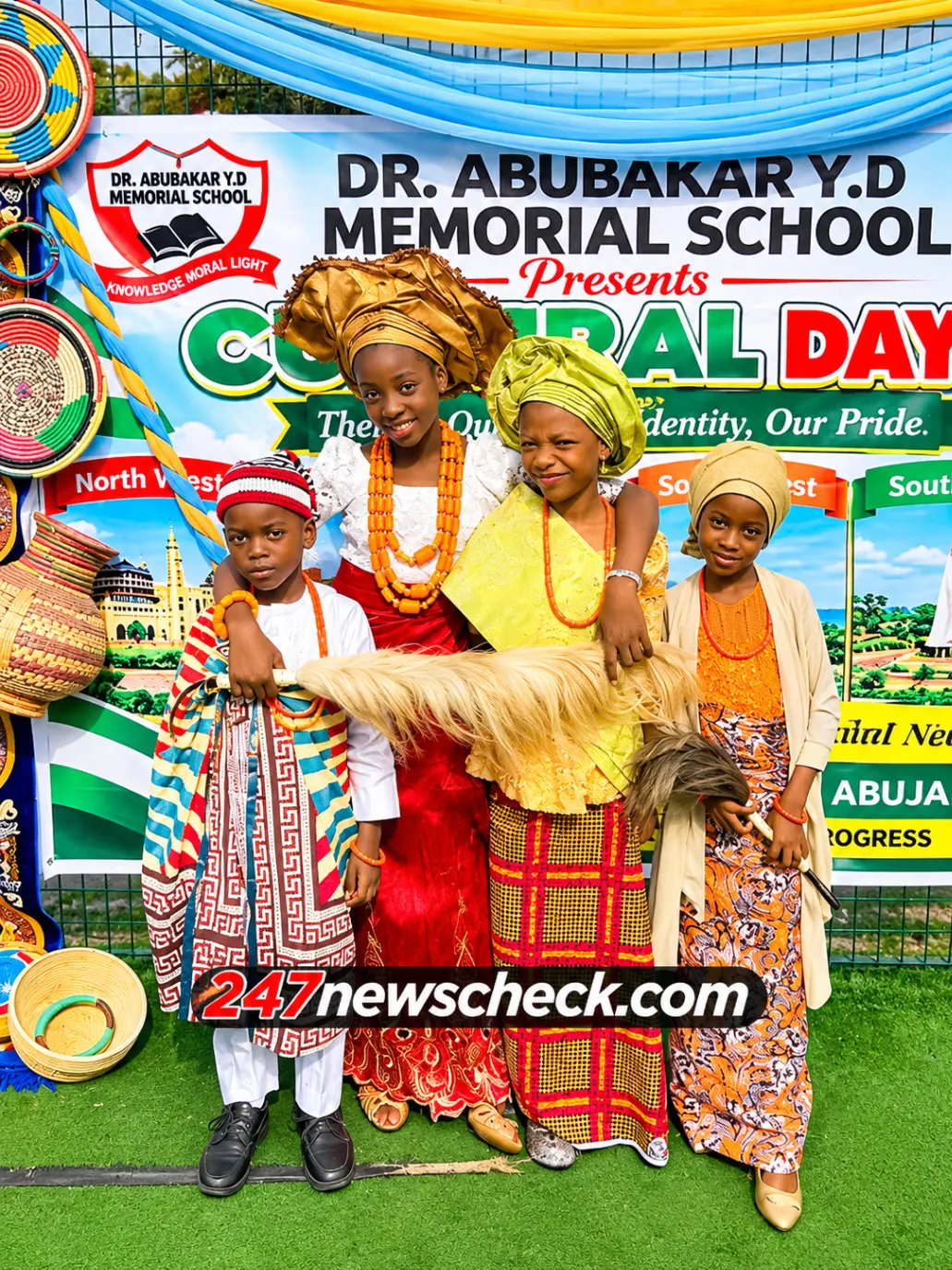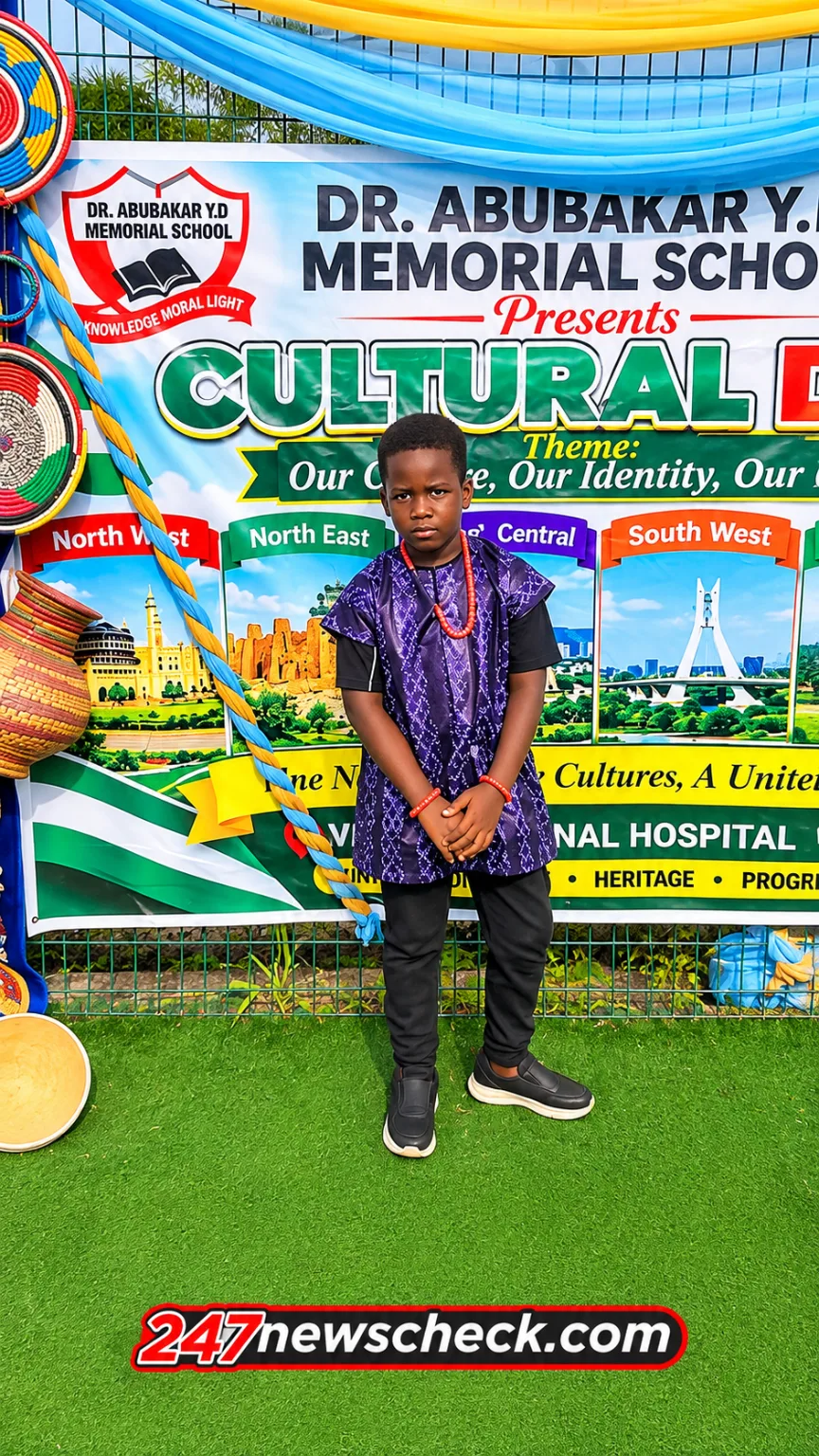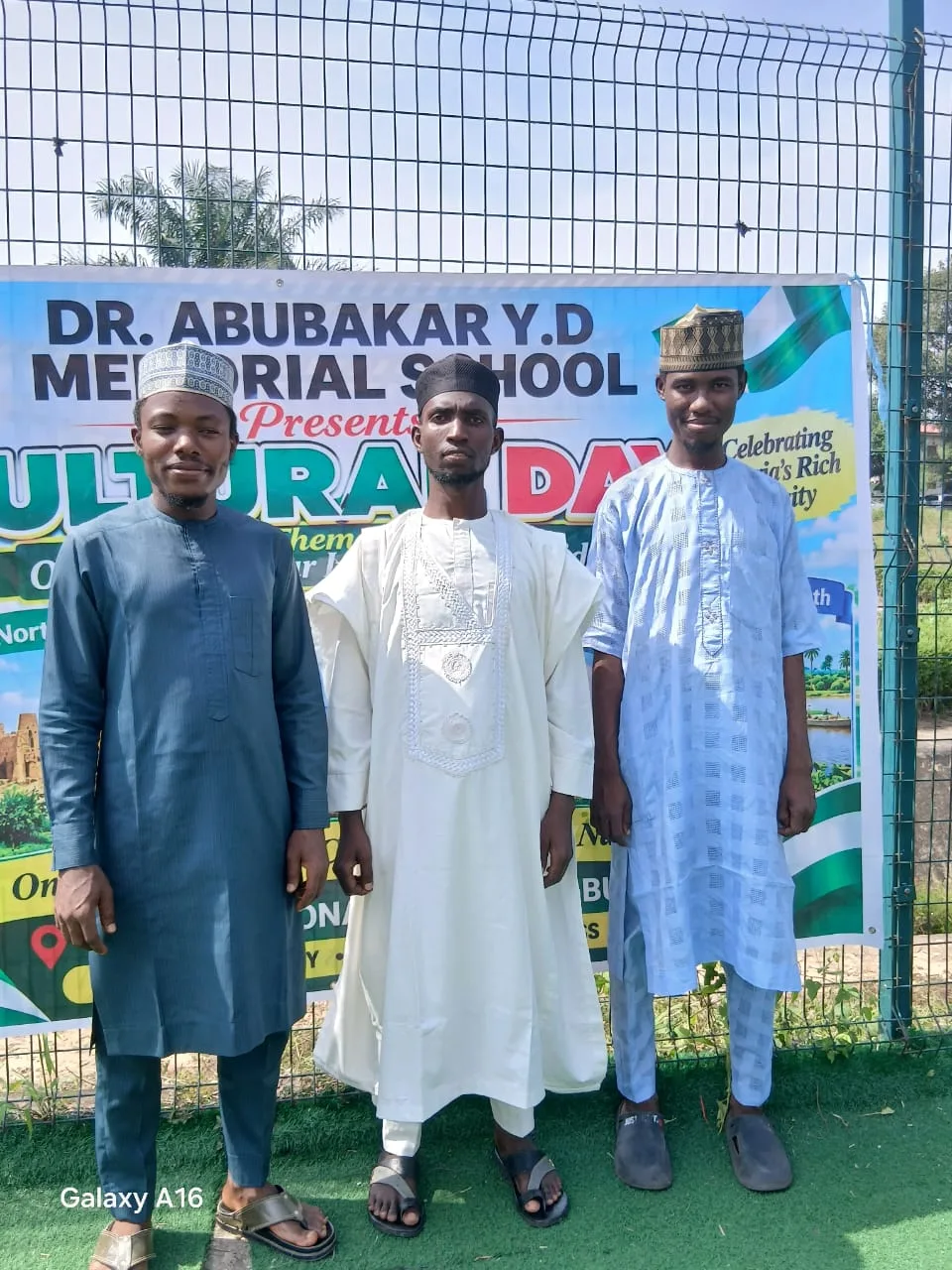
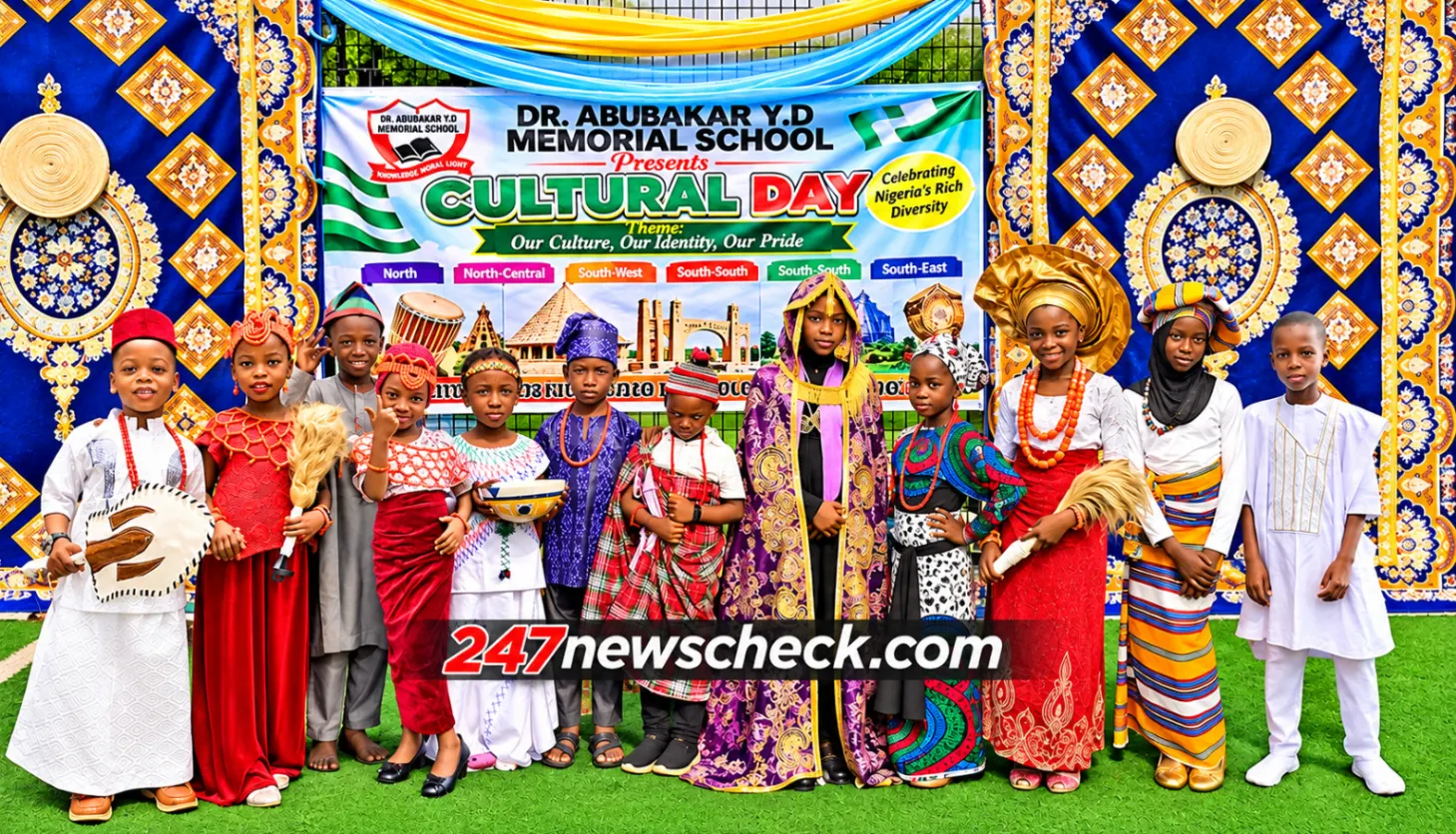
Dr Abubakar Y.D. Memorial School has celebrated Nigeria's rich cultural heritage through a colourful Cultural Day programme designed to expose pupils to the country's historic kingdoms, traditional identities, indigenous cuisines and the importance of peaceful coexistence.
The event, held on November 5, 2026, at the school premises inside the National Hospital Abuja, brought together pupils, parents and members of the school community for an educational celebration of Nigeria's cultural diversity.
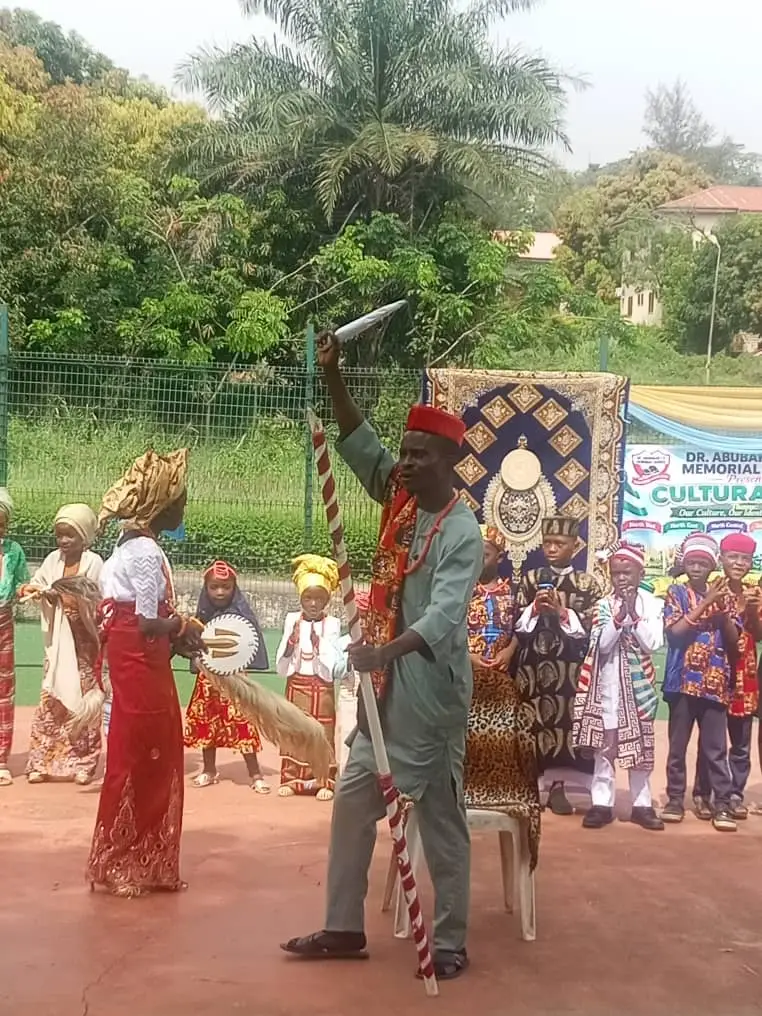
This year's programme featured cultural representations of seven historic kingdoms and communities: Ile-Ife, Fulani, Nupe, Benin, Daura, Igala and Nri.
Through traditional clothing, cultural presentations and indigenous meals, the pupils explored different aspects of Nigeria's historical heritage and gained a better understanding of the traditions that have shaped communities across the country.
Beyond the colourful displays, the celebration emphasised the importance of respecting cultural differences, promoting national unity and encouraging peaceful relationships among Nigerians from different ethnic backgrounds.
Seven Historic Kingdoms and Their Cultural Heritage
One of the major highlights of the celebration was the presentation of seven historic kingdoms and cultural traditions from different geographical regions of Nigeria.
The Ile-Ife Kingdom, associated with the Yoruba people, is located in present-day Osun State in South-West Nigeria. Ile-Ife occupies a significant position in Yoruba history and is widely recognised for its ancient artistic, cultural and traditional heritage.
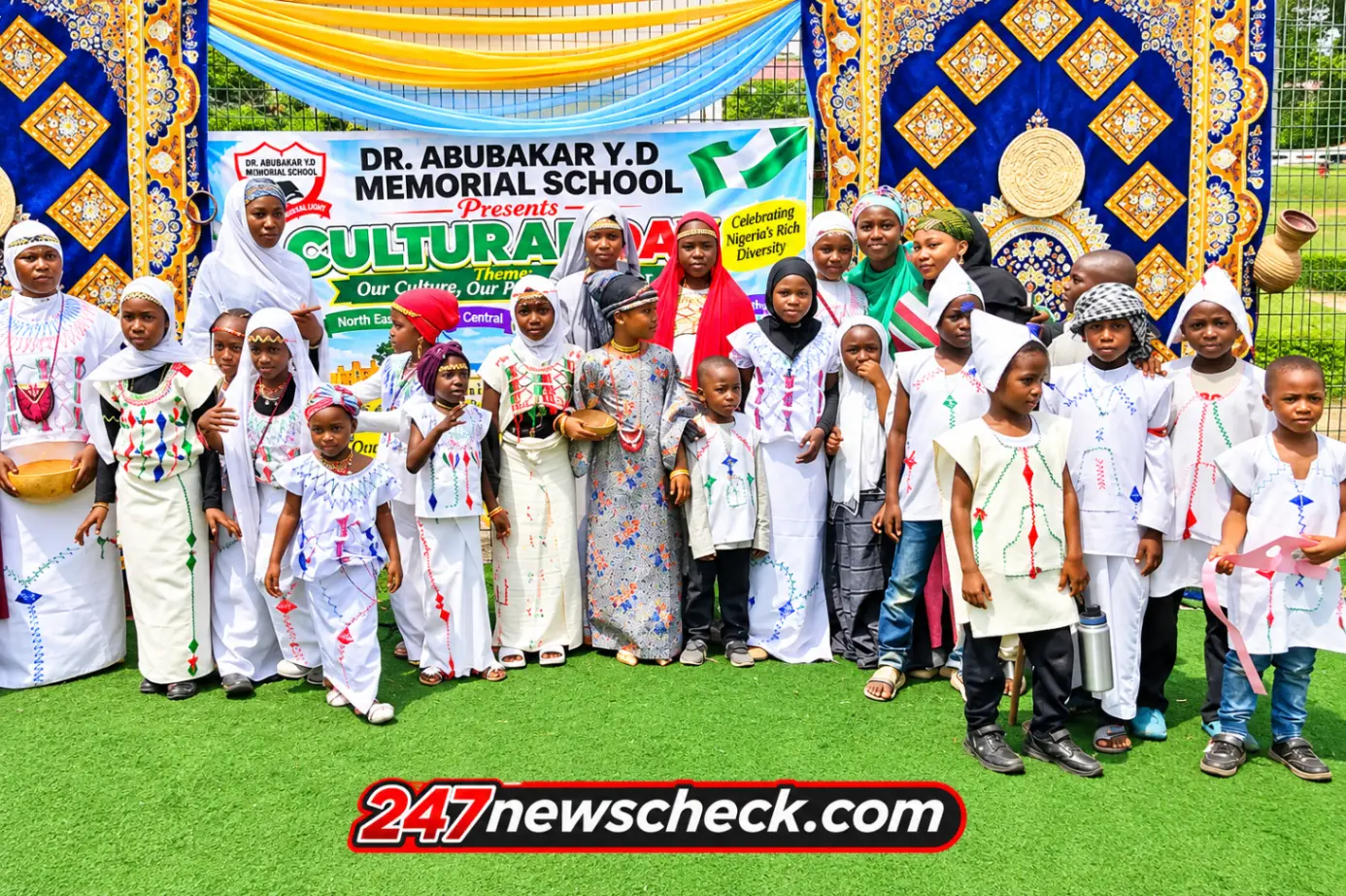
The Fulani cultural representation highlighted the heritage of the Fulani people, whose communities are found across Northern Nigeria and other parts of West Africa. Their history is associated with pastoral traditions, trade, Islamic scholarship and significant political developments, including the nineteenth-century Sokoto Caliphate. The Fulani are a widespread ethnic group rather than a single kingdom.
The Nupe Kingdom is associated with the Nupe people, whose traditional homeland is principally in present-day Niger State and neighbouring parts of North-Central Nigeria. Bida remains an important centre of Nupe traditional institutions and cultural heritage.
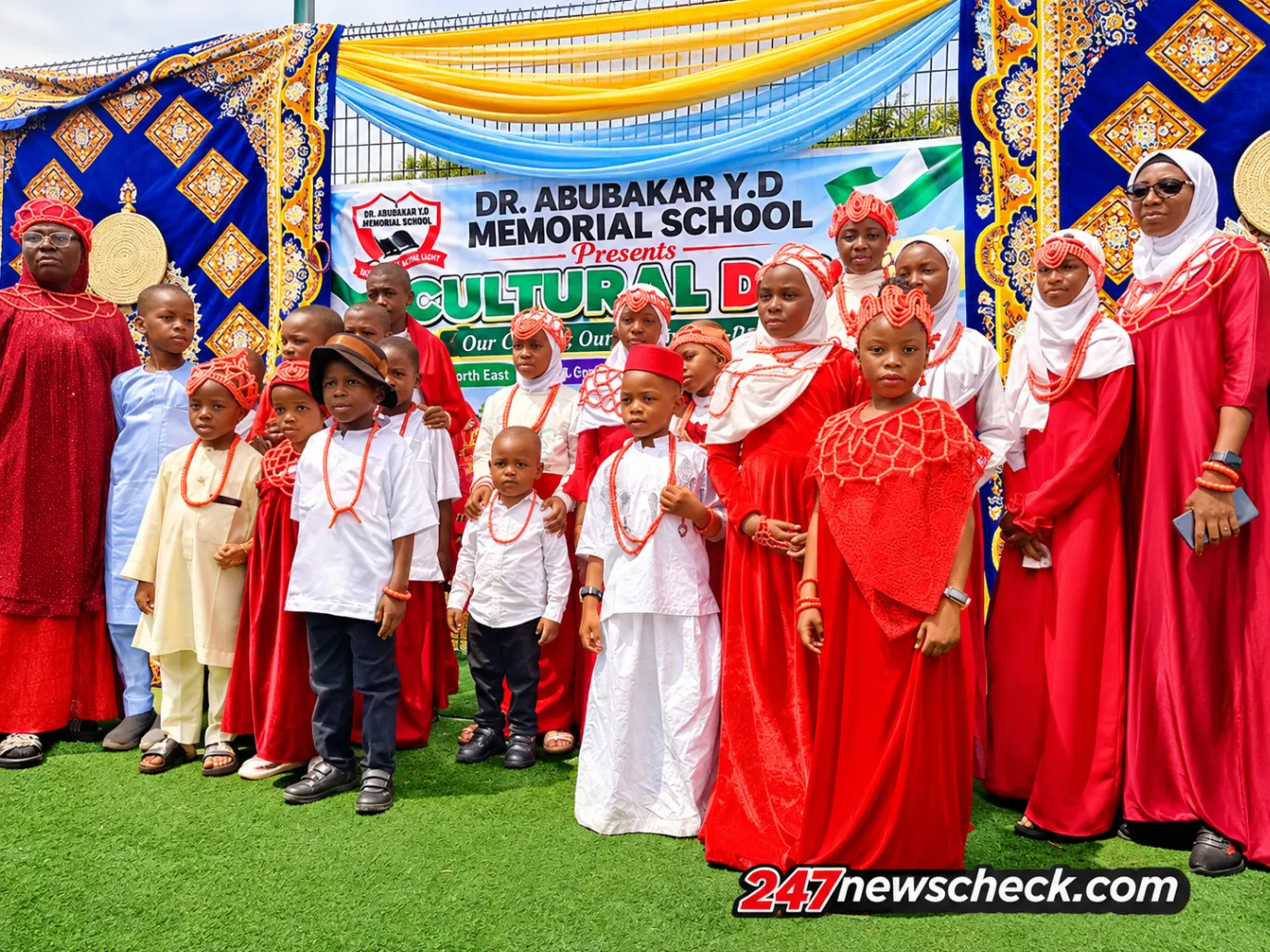
The Benin Kingdom, located in present-day Edo State in South-South Nigeria, is renowned for its historic monarchy, distinctive artistic traditions and internationally recognised Benin bronzes. Its history represents an important chapter in Nigeria's pre-colonial political and cultural development.
The Daura Kingdom, situated in present-day Katsina State in North-West Nigeria, is one of the historic Hausa city-states. It is closely associated with Hausa traditions and the historical development of northern Nigeria.
The Igala Kingdom, historically centred on Idah in present-day Kogi State, represents an important traditional institution in North-Central Nigeria. The Igala people have maintained a distinctive cultural identity, with their history closely connected to the River Niger region.
The Nri Kingdom, historically based in present-day Anambra State in South-East Nigeria, is recognised for its influence on Igbo religious, cultural and traditional institutions. Its history offers an important insight into the development of pre-colonial Igbo society.
By showcasing these traditions, the school provided pupils with an opportunity to appreciate the different historical experiences and cultural contributions that collectively form Nigeria's national identity.
Traditional Nigerian Foods Add Flavour to the Celebration
Food was another major attraction of the Cultural Day, as parents supported the pupils by preparing indigenous meals associated with different Nigerian communities.
Some of the dishes enjoyed during the celebration included waina, amala and ewedu soup, pounded yam and egusi soup, as well as abacha and garden eggs.
Waina, also known in some communities as masa, is a popular northern Nigerian rice-based delicacy prepared from fermented rice batter and cooked in a special pan.
Amala and ewedu soup are widely associated with Yoruba cuisine, particularly in South-West Nigeria. Amala is commonly prepared from yam flour, while ewedu is a traditional leafy soup frequently served alongside other accompaniments.
Pounded yam and egusi soup are popular Nigerian dishes enjoyed across several ethnic communities, with variations in preparation and ingredients depending on local traditions.
Abacha, sometimes called African salad, is particularly associated with Igbo cuisine. Prepared from shredded cassava, it is commonly served with traditional ingredients and seasonings. Garden eggs are also enjoyed in different parts of Nigeria and feature in several indigenous food traditions.
The variety of meals gave pupils an opportunity to experience the relationship between food, cultural identity and community heritage.
The school expressed appreciation to parents for their contributions, particularly their efforts in providing appropriate traditional clothing and preparing meals that helped make the celebration educational and memorable.
Promoting Peaceful Coexistence Through Cultural Education
Beyond the traditional clothing, historical presentations and food displays, the celebration highlighted the importance of peaceful coexistence among Nigeria's diverse ethnic communities.
Nigeria is home to hundreds of ethnic groups, numerous languages and different cultural and religious traditions. While these differences contribute to the country's rich identity, mutual respect, tolerance and understanding remain essential to maintaining national unity.
By introducing pupils to cultures beyond their immediate backgrounds, the school encouraged them to appreciate other communities, recognise shared values and understand that cultural differences should never be a reason for discrimination or division.
The programme reinforced the message that every ethnic group has a valuable contribution to make to Nigeria's development and that national unity does not require communities to abandon their individual identities.
Rather, Nigerians can preserve their languages, customs, traditional institutions and indigenous cuisines while working together towards a peaceful and prosperous country.
Such educational experiences are particularly important for children, as early exposure to cultural diversity can help develop open-mindedness, mutual respect, friendship and responsible citizenship.
About Dr Abubakar Y.D. Memorial School
Dr Abubakar Y.D. Memorial School is situated within the premises of the National Hospital Abuja, where it provides nursery, primary and secondary education.
The institution derives its name from the late Dr Abubakar Yari Dauda, a consultant with the National Hospital Abuja. According to the school's profile, his contributions to the Muslim community and the Islamiyyah section inspired the development of the institution's educational sections.
Established in September 2012, the school is registered with the Department of Quality Assurance (DQA) and accredited to conduct the Basic Education Certificate Examination (BECE).
Its vision is to raise children capable of leading humanity through excellent moral upbringing and qualitative education in line with Islamic teachings.
The school's mission focuses on adopting an academic approach that recognises the individual learning needs of every pupil, whether the learner requires additional support, reinforcement of existing knowledge or opportunities for further enrichment.
The school operates Nigerian and British educational systems alongside the Montessori approach, all under an Islamic curriculum intended to guide the moral, intellectual and personal development of its learners.
Through this educational structure, the institution seeks to provide pupils with a broad academic foundation while promoting discipline, responsibility and strong moral values.
Photographs From the Cultural Day Celebration
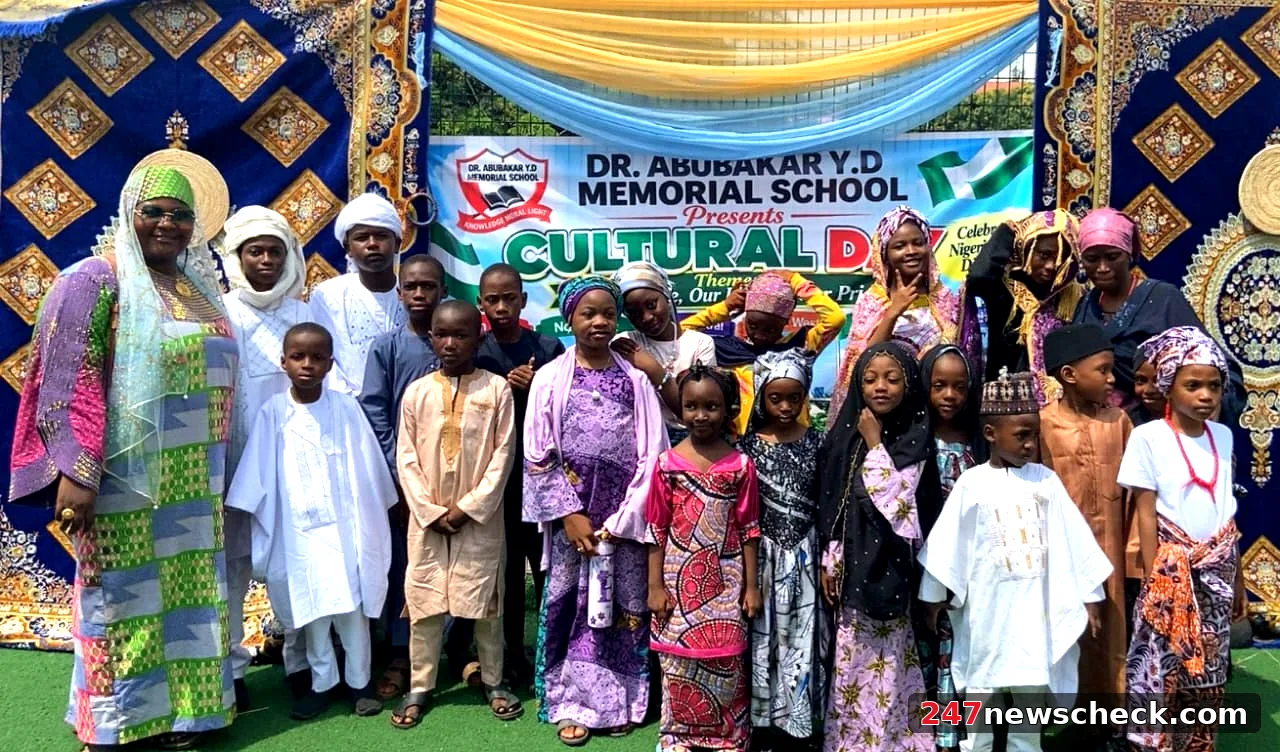
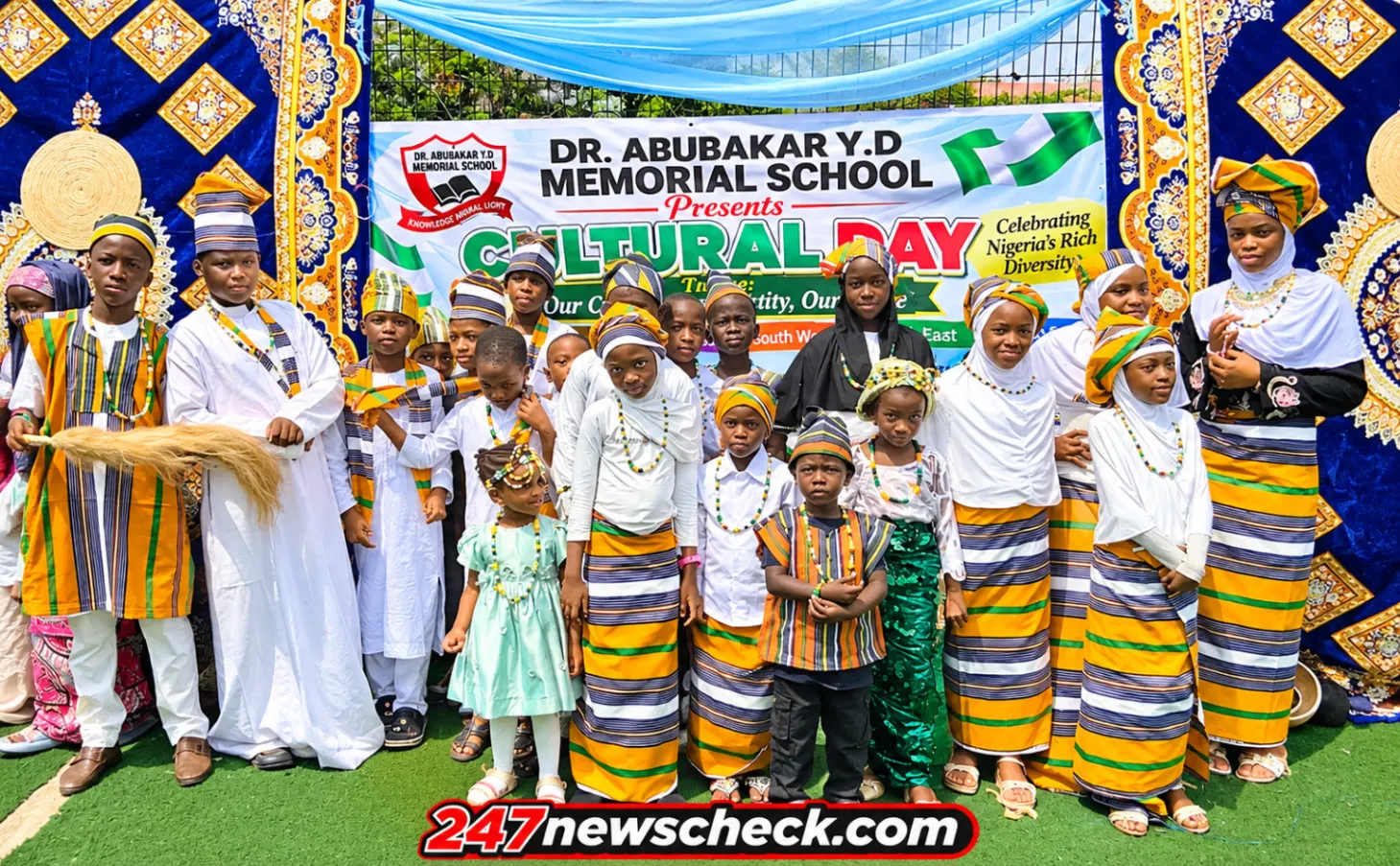
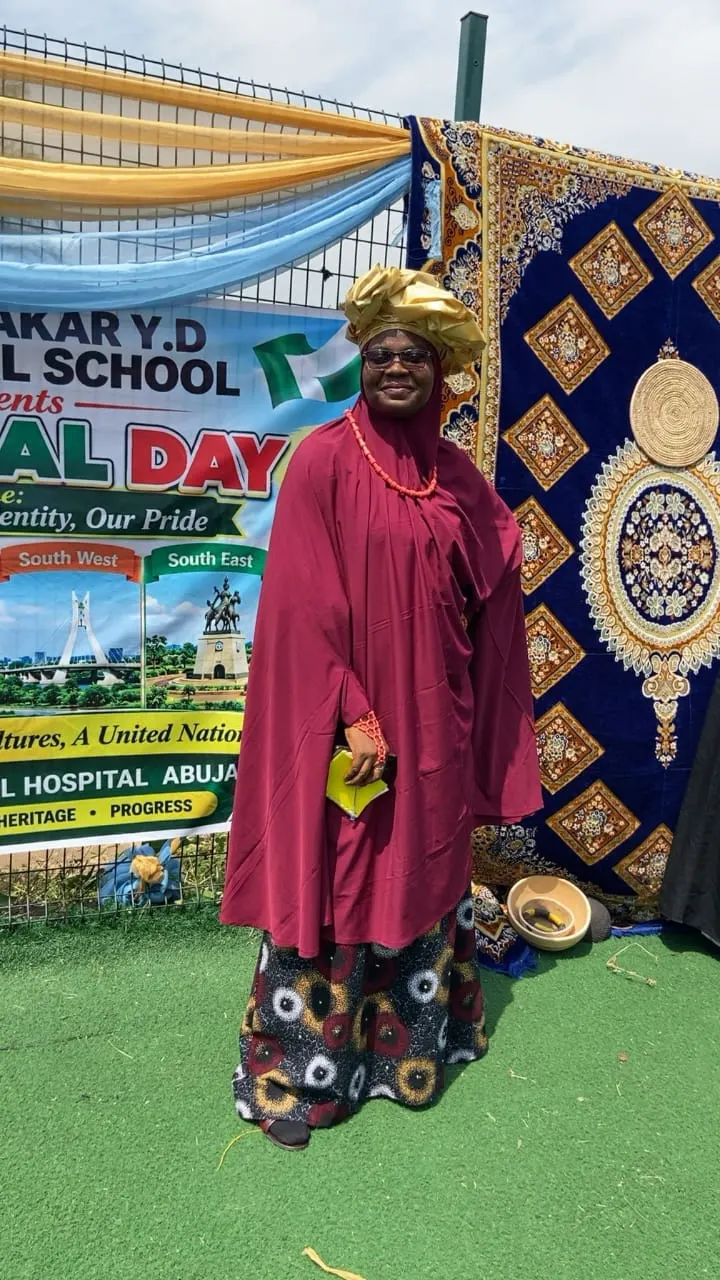
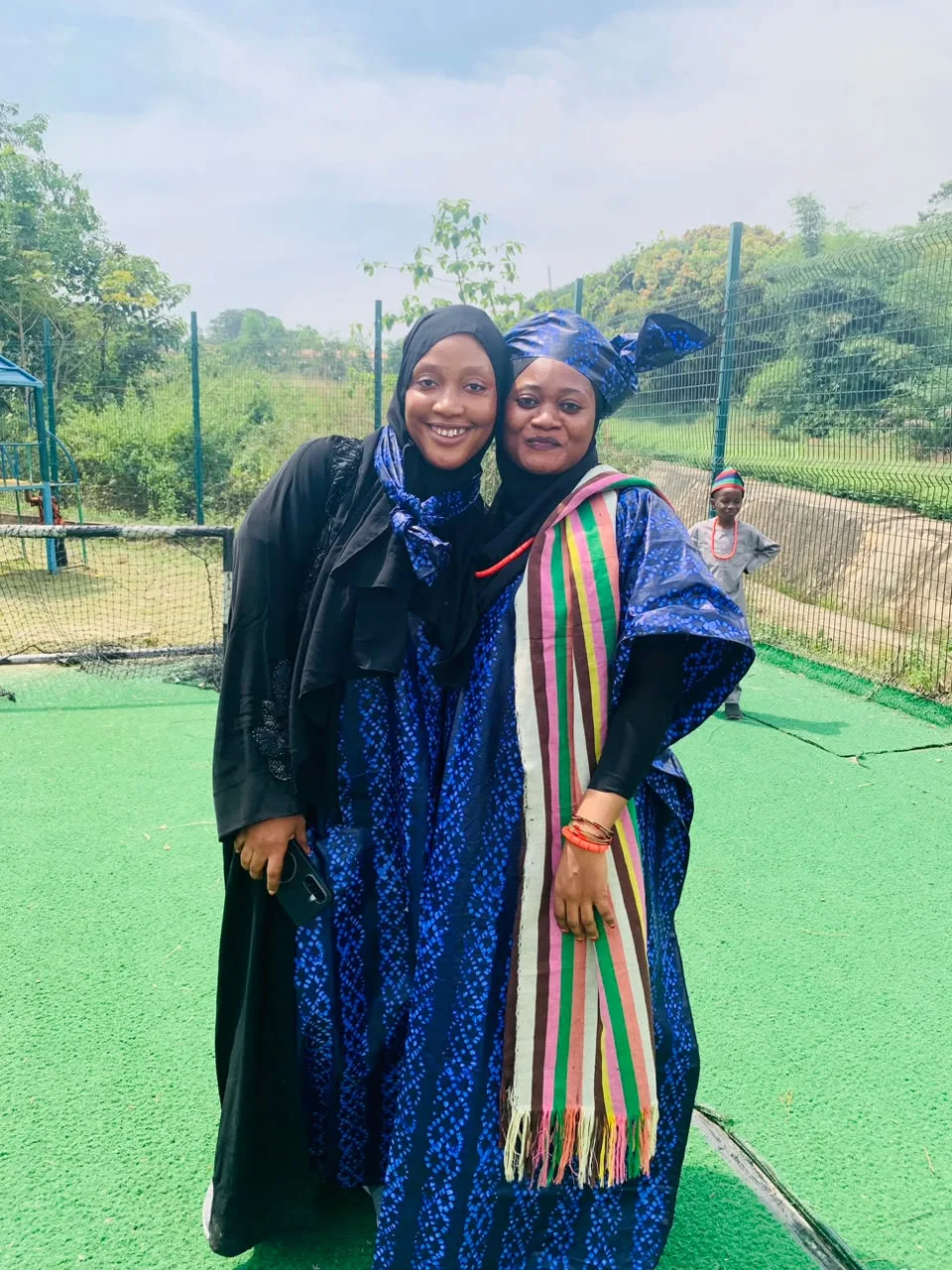
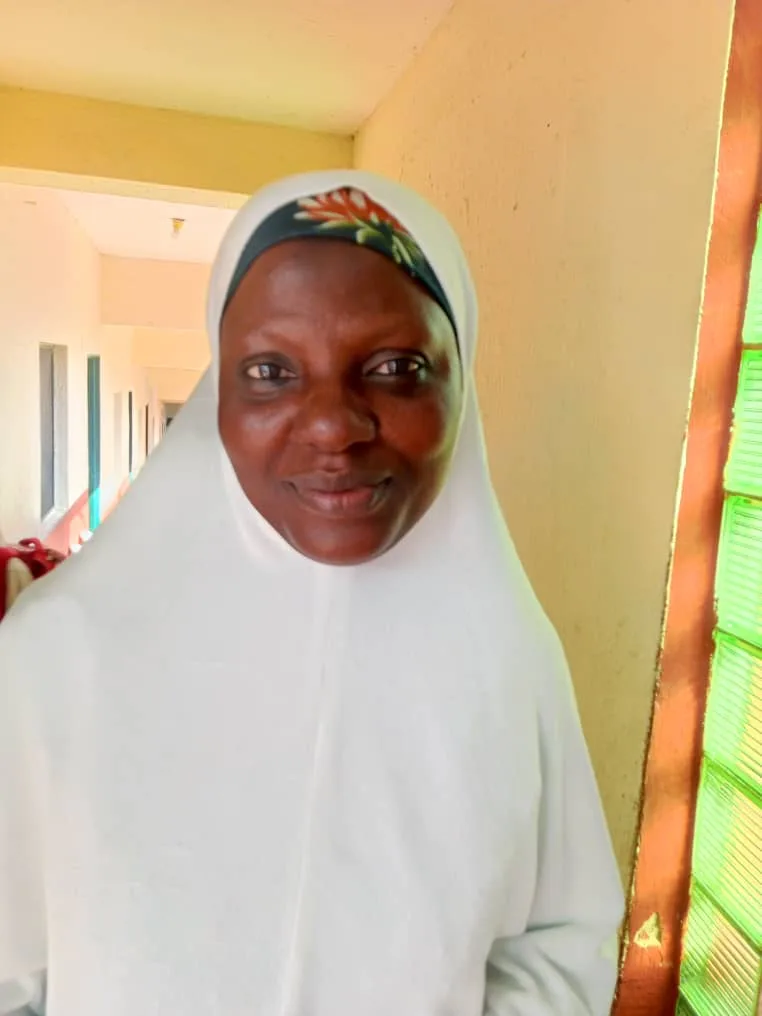
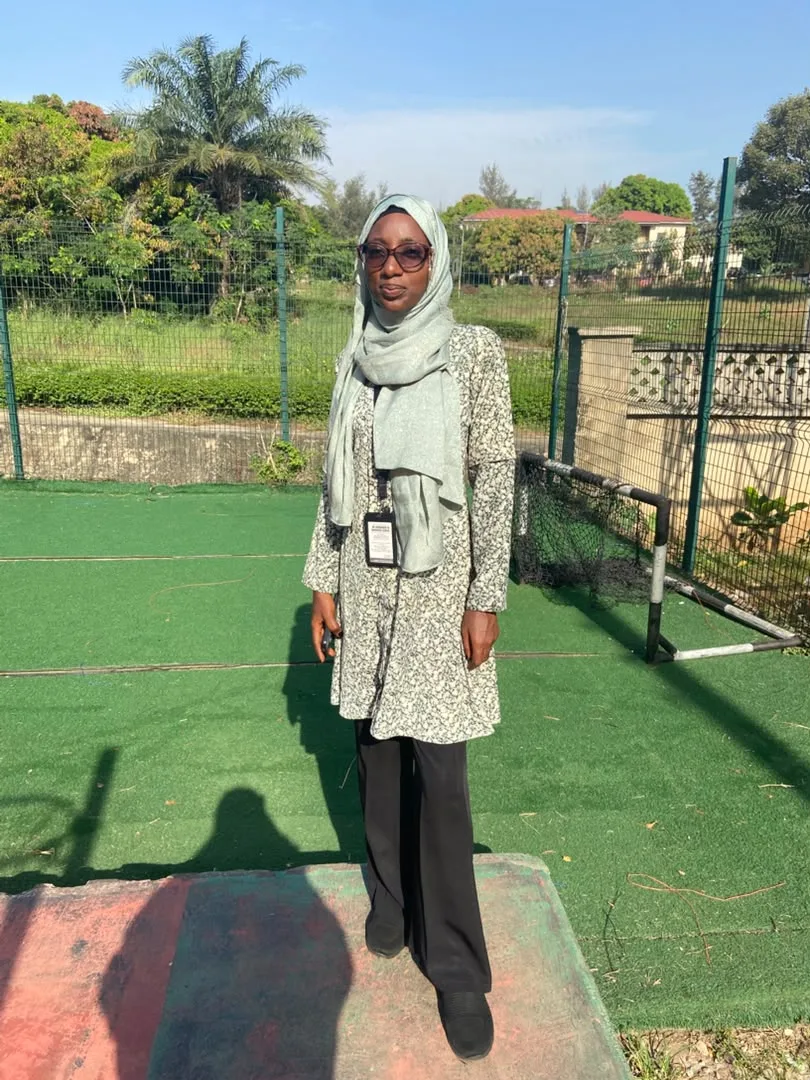
A selection of photographs from the November 5, 2026 Cultural Day celebration is also available, capturing pupils, parents and members of the school community in their colourful traditional outfits.
The photographs provide visual highlights of the different cultural representations, group displays, traditional clothing and memorable moments from the event.
They further document the pupils' participation in the celebration and the efforts made by the school and parents to bring Nigeria's diverse cultural heritage into the learning environment.
A Celebration of Heritage, Education and National Unity
The 2026 Cultural Day celebration demonstrated how schools can contribute to preserving Nigeria's cultural heritage while preparing younger generations to live responsibly in a diverse society.
By exploring historic kingdoms, traditional cuisines and the customs of different communities, pupils were given an opportunity to learn about Nigeria beyond their immediate cultural environments.
The programme also highlighted the importance of cooperation between schools and parents in making education practical, engaging and connected to real-life experiences.
As Nigeria continues to navigate its social and cultural differences, initiatives that encourage children to understand and appreciate one another's heritage can help strengthen the foundations of tolerance, friendship and national unity.
247NewsCheck.com will continue to highlight educational initiatives and community programmes that promote cultural understanding, preserve Nigeria's heritage and encourage peaceful coexistence among the country's diverse communities.