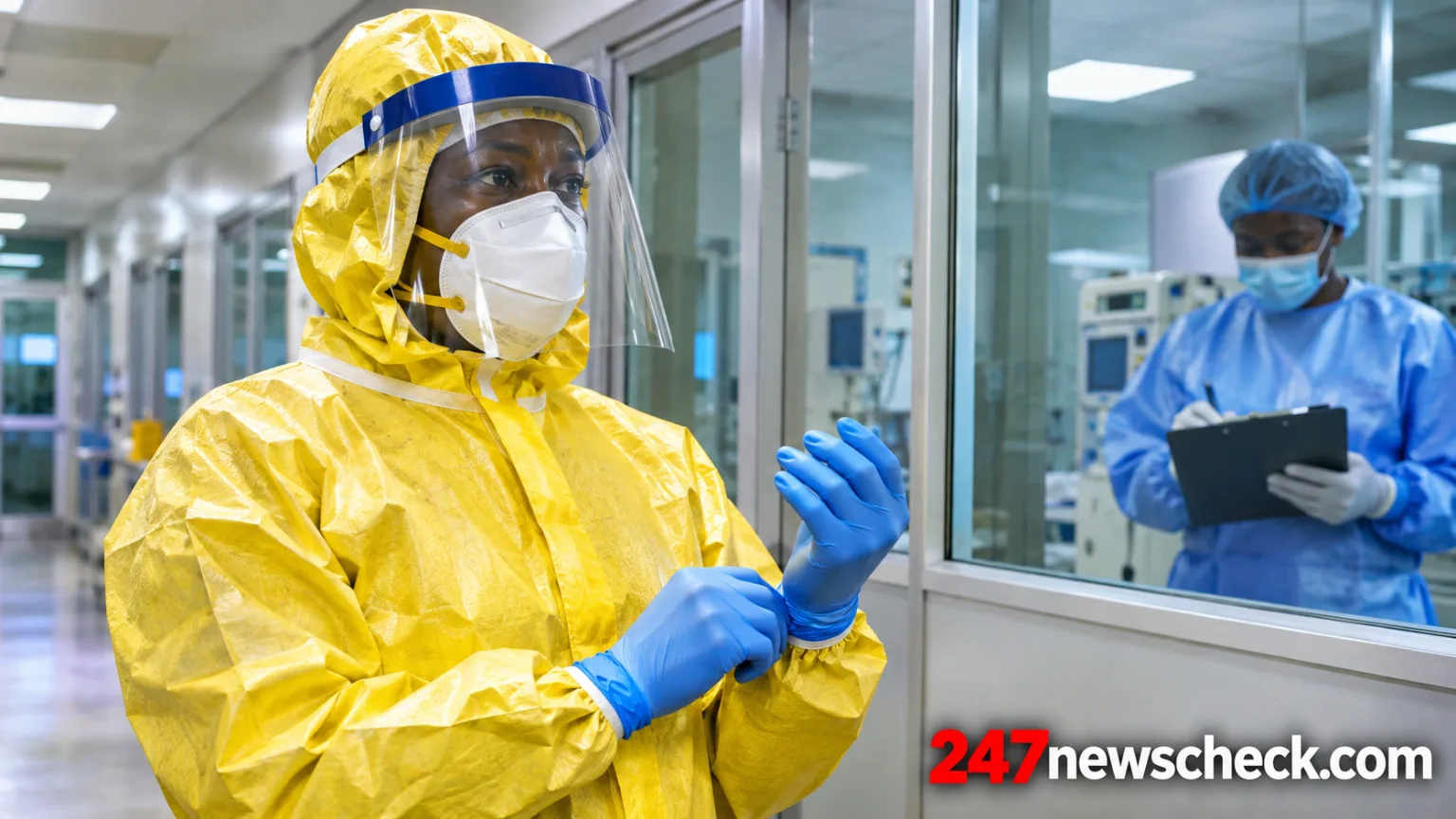
Nigeria has recorded no additional confirmed cases of Ebola Virus Disease following the detection of an imported infection in October, but health authorities have maintained heightened surveillance as 28 identified contacts remain under monitoring.
The Nigeria Centre for Disease Control and Prevention (NCDC) disclosed the development in its latest update on the country's Ebola response, assuring the public that surveillance, contact tracing and investigations of reported alerts are continuing.
According to the agency, Nigeria had confirmed only one imported case of Bundibugyo Virus Disease as of November 9, 2026, with no additional confirmed infections reported.
The development represents an encouraging outcome for the country's public health response, although authorities have cautioned against interpreting the absence of new cases as an indication that the outbreak has officially ended.
28 Contacts Still Under Monitoring
The NCDC said a total of 62 contacts had been identified in connection with the confirmed infection.
Of this number, 34 individuals had completed their respective 21-day follow-up periods, while 28 remained under active monitoring as health officials continued efforts to identify any possible symptoms associated with the disease.
The agency explained that being identified as a contact does not automatically mean that an individual has contracted Ebola.
Rather, contact monitoring is an essential public health measure designed to identify possible infections early and ensure that appropriate medical attention and response measures are provided where necessary.
The NCDC also clarified that the 21 days elapsed since the confirmation of the imported case should not be confused with the individual monitoring period assigned to each contact.
Each identified contact must complete the required follow-up period based on the date of their last possible exposure.
How Nigeria's Ebola Response Began
Nigeria's current Ebola response followed the confirmation of an imported case of Bundibugyo Virus Disease in the Federal Capital Territory in October.
The infected traveller, a woman who had arrived in Nigeria from Uganda through Addis Ababa, developed symptoms several days after arriving in the country.
Following medical assessment and laboratory investigations, the infection was confirmed on October 20, 2026.
The patient was subsequently medically evacuated to Switzerland on October 26 for further treatment.
Following confirmation of the infection, Nigerian health authorities activated response measures involving contact tracing, laboratory investigations, surveillance, infection prevention and control, and monitoring of individuals who might have been exposed.
The response has involved collaboration between the NCDC, the Federal Ministry of Health and Social Welfare, the Federal Capital Territory Administration, state health authorities and international partners.
Health Authorities Maintain Nationwide Vigilance
The NCDC has urged healthcare professionals in public and private medical facilities to remain alert and ensure that patients' travel histories and possible exposure to infectious diseases are properly assessed.
Healthcare workers have also been advised to maintain infection prevention and control procedures and promptly report suspected Ebola cases to the relevant public health authorities.
The agency further advised Nigerians who develop symptoms following possible exposure to Ebola to avoid contact with other people and call its toll-free emergency line, 6232, for guidance before travelling to a healthcare facility.
Ebola is a serious viral disease that can spread through direct contact with the blood or other body fluids of an infected person, as well as contaminated materials.
Early detection, appropriate medical care, effective contact tracing and strict infection prevention measures remain important in preventing further transmission.
Nigeria Yet to Receive Official Ebola-Free Declaration
Despite the absence of additional confirmed infections, Nigeria should not yet be described as officially Ebola-free.
The distinction is important because the completion of 21 days since the initial case was confirmed does not automatically mean that every identified contact has completed the required monitoring period.
The World Health Organization has also emphasised the importance of continued regional surveillance and preparedness in response to the wider Bundibugyo virus outbreak.
Nigeria's public health authorities therefore face the continuing responsibility of completing contact monitoring, investigating suspected cases and sustaining surveillance at international airports and other points of entry.
The latest development offers some reassurance about Nigeria's response efforts, but maintaining public awareness and cooperation with health officials remains essential.
247NewsCheck.com will continue to monitor Nigeria's Ebola response and report further verified developments as they emerge.