Nigeria strengthens response following confirmed Ebola case
Nigeria is intensifying public health surveillance and containment measures following the confirmation of an imported case of Ebola Bundibugyo virus disease in the Federal Capital Territory, Abuja.
The Federal Ministry of Health and Social Welfare confirmed the case on 20 October 2026 after laboratory testing identified the virus in a woman who had recently travelled to Nigeria from Uganda.
According to the World Health Organization (WHO), the patient's symptoms began on 7 October, and she sought treatment at a private health facility in Abuja on 11 October. Laboratory confirmation was received on 20 October. The patient was subsequently placed in isolation and received medical care.
Health authorities are investigating the patient's travel and exposure history while working to identify people who may have come into contact with her.
Contact tracing and hospital precautions
The Federal Government initially reported that 44 contacts had been identified for monitoring. These included healthcare workers, patients, caregivers and travel-related contacts.
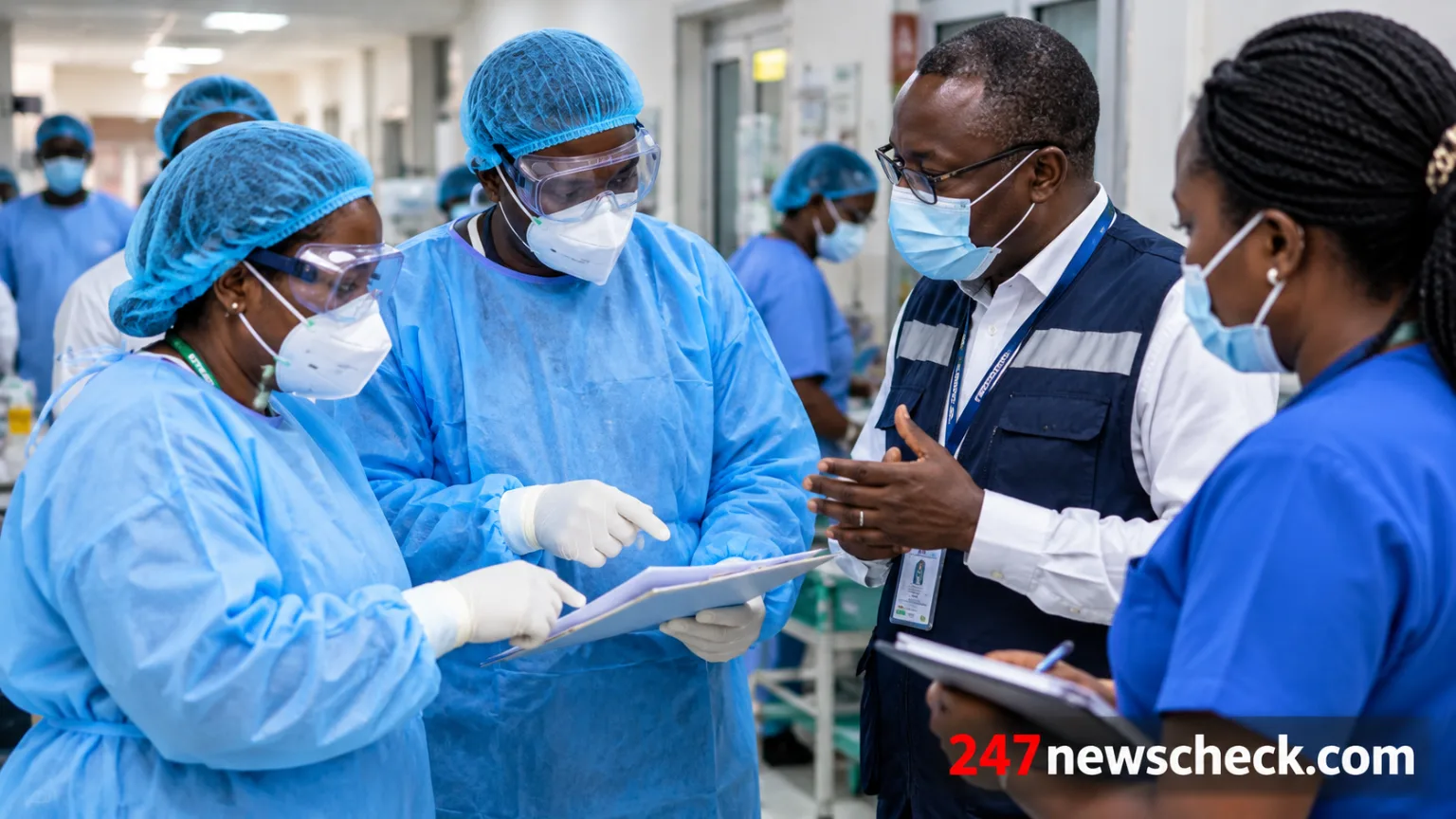
The Nigeria Centre for Disease Control and Prevention (NCDC) activated its incident-management system to coordinate surveillance, contact tracing, case investigation and infection-prevention measures.
The hospital where the patient received treatment is also receiving support to strengthen infection prevention and control.
Contact tracing helps public health teams identify people who may have been exposed, monitor their health and arrange prompt assessment if symptoms develop. The initial figure of 44 contacts may change as investigations progress.
The government has urged public and private healthcare facilities nationwide to remain alert, recognise suspected cases promptly, follow appropriate infection-control procedures and report concerns to public health authorities.
WHO urges Nigerians to remain calm
In an update published on 22 October, WHO Regional Director for Africa Mohamed Janabi stressed that one imported case does not, by itself, mean Nigeria is experiencing an Ebola outbreak.
The organisation is working with Nigerian health authorities and partners to support investigations, laboratory testing, contact tracing and measures to protect healthcare workers and communities.
WHO has urged Nigerians to remain calm, rely on trusted public health information and cooperate with official instructions.
The distinction is important: the confirmed case requires a serious and coordinated response, but it does not establish widespread transmission within Nigeria.
What Nigerians should know about Ebola
Ebola is a serious viral disease that can cause severe illness. Transmission occurs primarily through direct contact with the blood or other bodily fluids of an infected person who is showing symptoms, or through contaminated materials.
Symptoms can include fever, severe weakness, headache, muscle pain, vomiting and diarrhoea. These symptoms can also occur in other illnesses, so they cannot independently confirm an Ebola infection.
People who believe they may have been exposed should contact public health authorities for guidance, even if they initially feel well.
Anyone who develops compatible symptoms after a possible exposure should avoid close contact with others and call public health authorities before visiting a healthcare facility, so that appropriate precautions can be arranged.
The public should maintain hand hygiene, avoid contact with the bodily fluids of sick people and never handle the belongings or remains of suspected patients without appropriate professional protection.
Nigerians should also avoid sharing unverified names, photographs, travel claims or alleged case counts on social media. Such information can expose individuals to stigma and interfere with public health investigations.
Why early detection matters
Nigeria has previous experience responding to Ebola. During the 2014 outbreak, health authorities used case identification, isolation, contact tracing and coordinated public health interventions to stop further transmission.
That experience is relevant to the current response, but it does not remove the need for vigilance. Effective containment depends on rapid investigation, reliable laboratory capacity, appropriate protective equipment, cooperation from contacts and clear communication with the public.
Health authorities must also ensure that frontline workers can recognise potential cases and apply the correct infection-prevention procedures.
WHO continues to call for strong surveillance and preparedness across the region as the wider Ebola situation evolves.
What happens next?
The immediate priorities are to complete contact tracing, monitor people who may have been exposed, investigate the source of infection and prevent further transmission.
The number of contacts being monitored, the patient's clinical condition and any additional confirmed cases should be reported only when updated information is released by the relevant authorities.
The Federal Ministry of Health, NCDC and WHO remain the key sources for verified developments.
Conclusion
Nigeria's confirmed imported Ebola case is a serious public health development that requires vigilance, rapid investigation and public cooperation.
However, Nigerians should not confuse confirmation of one imported case with proof of widespread transmission. The appropriate response is to follow official health advice, report possible exposure promptly and avoid spreading unverified information.
The effectiveness of the response will depend on the speed of contact tracing, the quality of infection-control measures and the ability of health authorities to communicate accurate updates as investigations continue.
247NewsCheck will update this report when new verified information is released by the relevant authorities.
Source attribution:Federal Ministry of Health and Social Welfare; Nigeria Centre for Disease Control and Prevention; World Health Organization.