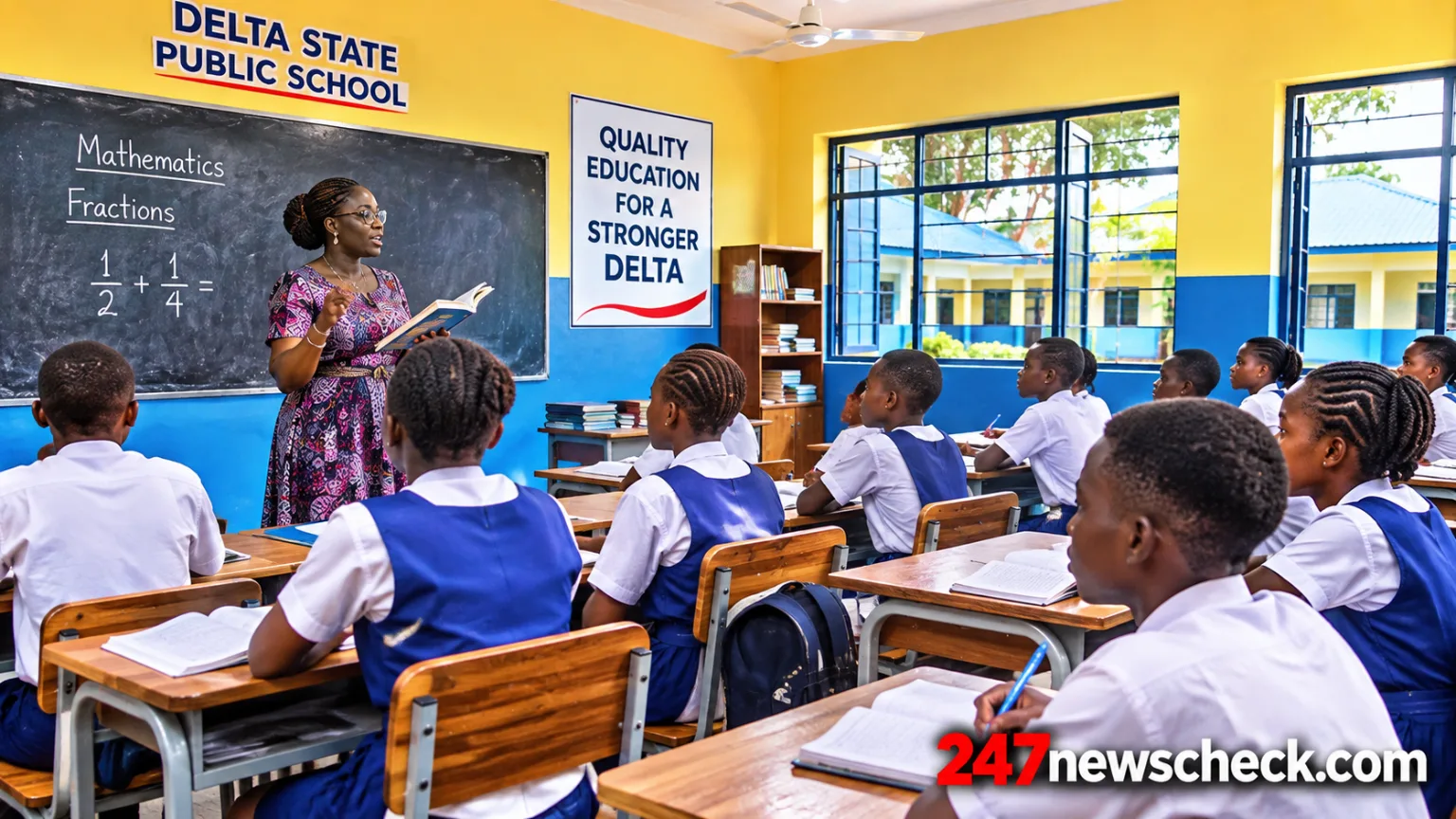
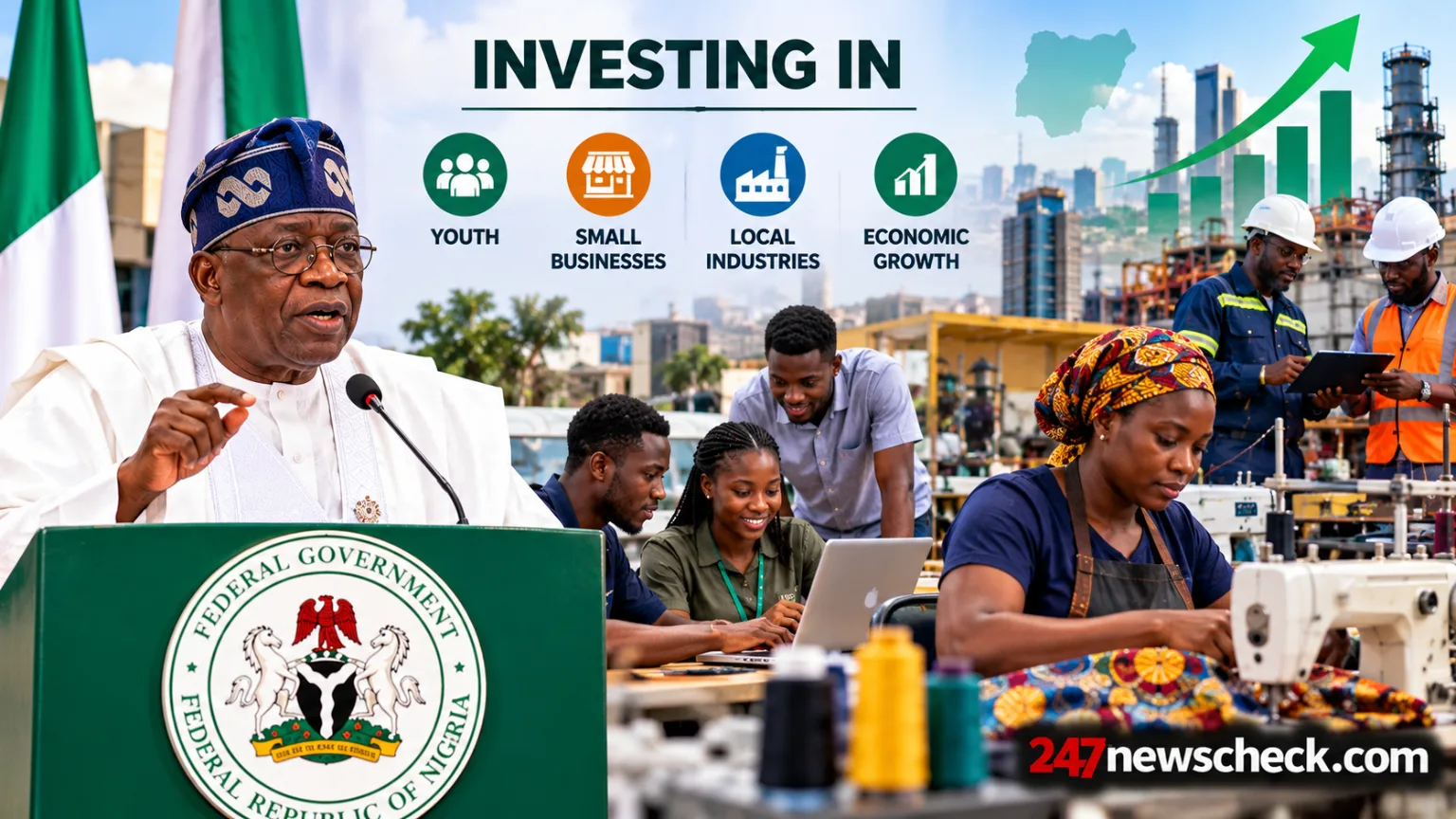
The Federal Government has highlighted the importance of investing in young Nigerians, supporting small businesses and strengthening local industries as part of efforts to expand economic activity, create jobs and improve the country’s productive capacity.
The position reflects the administration’s broader economic priorities, which include improving access to finance, developing marketable skills, encouraging entrepreneurship and creating conditions in which Nigerian businesses can grow and compete in domestic and international markets.
Recent government statements have emphasised the role of small and medium-sized enterprises (SMEs) in sustaining livelihoods and generating employment. At the Nigeria Sovereign Investment Authority’s 2026 Prize for Innovation Demo Day in Abuja, Finance Minister and Coordinating Minister of the Economy Taiwo Oyedele said small businesses would be important to the country’s ambition to build a trillion-dollar economy. He was represented at the event by his Special Adviser on Investments, Marie Ukpere.
The minister’s remarks placed business growth and entrepreneurship among the issues requiring sustained attention as Nigeria pursues a larger and more productive economy.
Youth investment and skills development
Nigeria’s young population presents significant economic potential, but turning that potential into productive employment requires more than access to education alone. Young people also need practical skills, relevant work experience, access to finance and opportunities to participate in growing sectors of the economy.
The Federal Government has pursued skills acquisition and vocational training initiatives intended to help young Nigerians develop employable competencies and establish sustainable livelihoods. One programme announced in September under the National Poverty Reduction with Growth Strategy included vocational training and start-up support for young people in Oyo State.
The initiative covered areas including graphics and artificial intelligence, fashion design and makeup, with participants expected to receive relevant tools or equipment to support their chosen pathways.
Such programmes can help narrow the gap between training and economic participation when the skills taught reflect market demand and participants receive appropriate support to apply them.
However, the wider impact of youth-focused investment will depend on the availability of decent jobs, reliable infrastructure, access to affordable finance and an environment that allows new enterprises to survive beyond their initial stages.
Small businesses need access to capital and markets
Small businesses are active across Nigeria’s retail, agriculture, manufacturing, technology, transport and service sectors. They provide income for business owners and workers, support supply chains and help circulate economic activity within communities.
Despite their importance, many enterprises face challenges that can restrict expansion. These include high operating costs, limited access to affordable credit, unreliable electricity, transportation expenses, difficulties obtaining equipment and restricted access to larger markets.
Government support for the sector therefore requires more than encouraging people to start businesses. Entrepreneurs also need financing arrangements suited to their circumstances, transparent programme eligibility, business development services and dependable infrastructure.
The Federal Ministry of Finance reported in October that World Bank Group initiatives could mobilise up to $5.79 billion in potential private financing for Nigeria during fiscal year 2026. The initiatives span areas including digital infrastructure, agricultural value chains and financing for micro, small and medium-sized enterprises.
The figure represents potential financing, not a guarantee that the entire amount has already been invested or disbursed. Its eventual economic effect will depend on project execution, the availability of funding to eligible businesses and the results achieved.
Improving access to capital can help viable enterprises purchase equipment, expand production, employ additional workers and develop new products. Nevertheless, lending programmes must also be accessible, transparent and designed around realistic repayment conditions.
Strengthening local industries and domestic production
Investment in local industries is another important component of efforts to expand Nigeria’s productive capacity. Stronger domestic manufacturing and processing can create jobs, increase the value of locally sourced materials and reduce dependence on imported finished goods in areas where local production is commercially viable.
The Federal Government has also discussed policies aimed at encouraging greater domestic processing of raw materials. In October, the Minister of Innovation, Science and Technology, Kingsley Tochukwu Udeh, outlined a proposed policy requiring a minimum level of value addition to raw-material exports.
The proposal is intended to encourage a shift from exporting largely unprocessed resources towards producing more valuable intermediate and finished goods within Nigeria. Its eventual impact will depend on the final policy framework, implementation arrangements, investment conditions and the capacity of local businesses to meet production requirements.
Industrial development, however, requires more than policy announcements. Manufacturers need reliable electricity, efficient transport links, modern equipment, skilled workers, predictable regulations and access to working capital.
Where these conditions improve, local businesses may be better positioned to increase output, strengthen supply chains and compete with imported products on quality and price.
Connecting investment with measurable results
For investment in young people, small businesses and local industries to translate into broad economic gains, government programmes must be assessed by their outcomes rather than their announcements alone.
Relevant indicators include the number of sustainable jobs created, the survival and growth of supported businesses, improvements in workers’ productivity, the volume of goods manufactured locally and the extent to which participating enterprises gain access to new markets.
Transparency in programme selection and the use of public funds are also essential. Clear eligibility criteria, accessible application processes and independent monitoring can help ensure that assistance reaches intended beneficiaries and produces measurable value.
Private investors, financial institutions, training providers and industry associations also have roles to play. Partnerships between government and the private sector can help align training with employer needs, improve business financing and connect local producers with customers and supply chains.
For young entrepreneurs and existing businesses, sustained economic progress will depend on whether these opportunities become accessible in practice and whether the cost of operating a business becomes more manageable.
The challenge ahead
Nigeria’s economic growth ambitions will require coordinated action across education, finance, infrastructure, industrial policy and employment. Supporting young people without creating pathways into productive work, or encouraging businesses without addressing the obstacles that constrain their growth, may limit the impact of otherwise promising initiatives.
The central test will be whether policies produce more sustainable enterprises, better employment opportunities, stronger domestic production and improvements in household livelihoods.
247NewsCheck.com will continue to monitor Federal Government initiatives on youth development, small-business financing and local industrial growth as further verified information becomes available.