
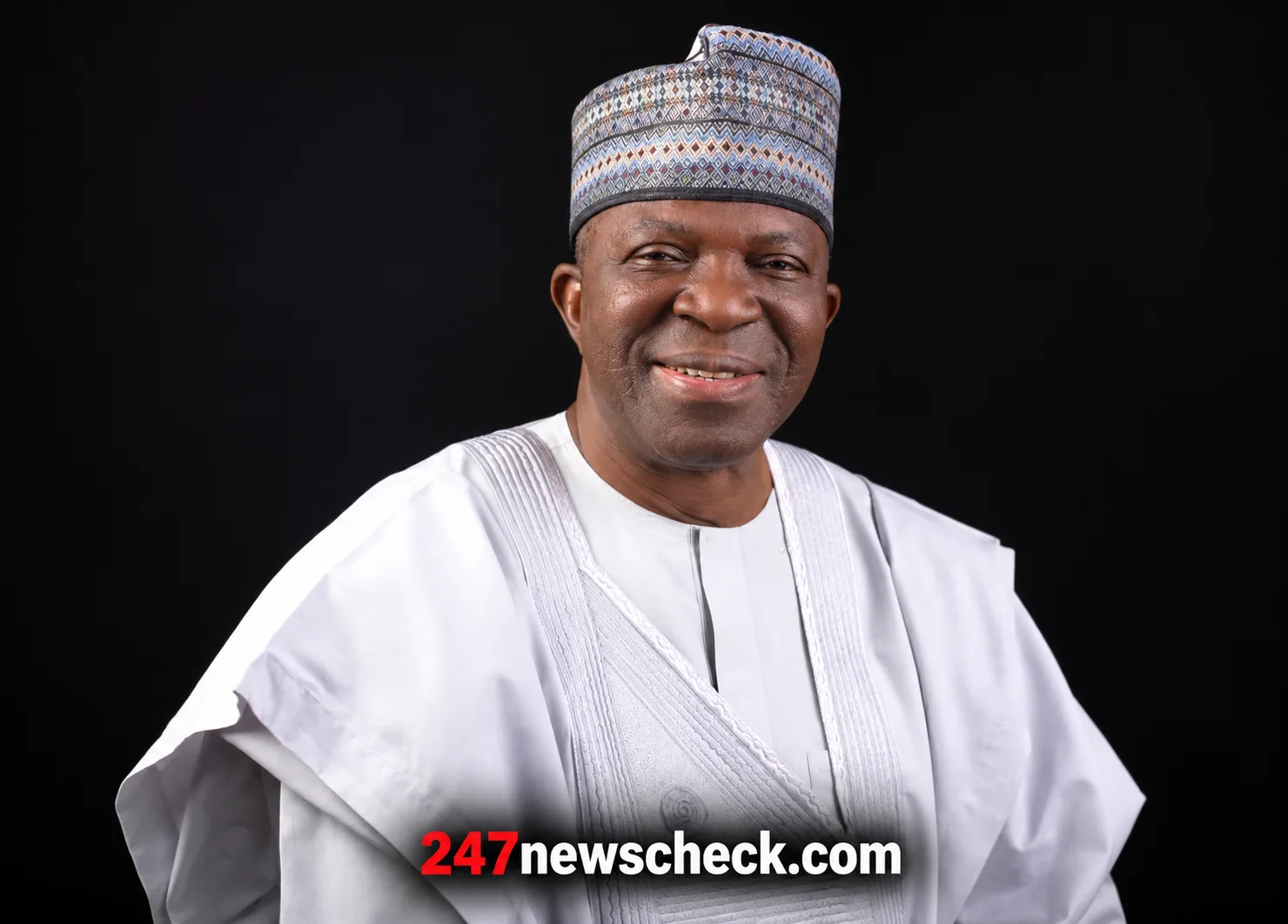
Nigeria has called on African countries to place dialogue, negotiation and the welfare of border communities at the centre of efforts to resolve territorial boundary disputes, stressing that borders should promote cooperation rather than become lasting sources of tension between neighbouring states.
The call was made by the Director-General of Nigeria’s National Boundary Commission (NBC), Adamu Adaji, at the 2026 Abidjan Border Forum in Côte d’Ivoire, where discussions focused on the relationship between border governance, cultural exchange, regional integration and security.
Adaji pointed to the Nigeria–Cameroon border settlement as an example of how sustained diplomatic engagement can help countries move away from confrontation and legal disputes towards peaceful coexistence and practical cooperation.
His position highlights a wider challenge facing African governments: resolving questions of territorial jurisdiction while protecting the livelihoods, relationships and shared interests of people who live along international boundaries.
Nigeria–Cameroon experience highlights diplomacy
According to reports from the forum, Adaji argued that boundary demarcation should be guided by negotiation and the spirit of African brotherhood, with due consideration given to communities affected by decisions about national borders.
The Nigeria–Cameroon experience was cited as a model because diplomatic engagement helped create a framework for cooperation after years of disagreement over their boundary.
The dispute over the Bakassi Peninsula was among the most prominent territorial disagreements between the two countries. The International Court of Justice delivered its judgment on the land and maritime boundary case in October 2002. Subsequent arrangements, including the Greentree Agreement of June 2006, established a framework for implementing the judgment and addressing the transfer of authority in the peninsula.
Although the settlement provides an important example of legal and diplomatic processes working together, effective border governance also depends on implementation, continued dialogue and attention to the needs of affected populations.
The experience therefore offers a broader lesson for countries facing boundary disagreements: legal instruments can clarify territorial claims, but durable relations also require political commitment and cooperation between neighbouring governments.
## Why border communities must be heard
For people living in border areas, national boundaries are not simply lines on a map. They can influence access to markets, farms, schools, healthcare, transport routes and family networks that may have existed long before modern borders were established.
When boundary decisions are poorly communicated or local concerns are overlooked, misunderstandings can deepen mistrust between communities and authorities. Disagreements over land, access to natural resources, movement and local administration can also become more difficult to manage.
Involving traditional rulers, local authorities, civil society representatives and residents in consultations can help governments identify practical concerns before they escalate.
Community participation does not replace the sovereign authority of states or the legal processes used to determine international boundaries. Rather, it can help ensure that decisions are better understood and that cooperation continues after agreements have been reached.
Border cooperation can support security and trade
The Abidjan forum also placed emphasis on treating border areas as spaces for cultural exchange, regional integration and collective security.
Cooperation between neighbouring countries can help local authorities share information, identify emerging threats, manage cross-border incidents and coordinate responses to challenges that do not stop at national boundaries.
Such arrangements are particularly relevant where communities depend on cross-border trade and movement for their livelihoods. Clear procedures and communication between authorities can reduce avoidable disruption while supporting lawful movement and legitimate economic activity.
Nigeria shares land and river boundaries with Benin, Niger, Chad and Cameroon. Its National Boundary Commission is responsible for addressing boundary matters, promoting cross-border relations and supporting cooperation with neighbouring countries.
These responsibilities make regional dialogue important not only for settling disputes but also for managing shared resources and identifying areas where joint initiatives can benefit border populations.
African cooperation framework
Participants at the Abidjan forum called for stronger local cross-border cooperation and greater progress towards ratification of the African Union Convention on Cross-Border Cooperation, commonly known as the Niamey Convention.
The convention provides a continental framework for encouraging cooperation between neighbouring countries and local authorities across borders. Its approach recognises that some development, social and security challenges are best addressed through coordinated action rather than isolated national measures.
At the forum, participants emphasised the value of cultural exchanges, community dialogue and joint initiatives in building trust and improving responses to security concerns.
The practical challenge is to translate these principles into functioning local arrangements, with clear responsibilities, sustained funding and mechanisms for resolving disagreements. Without implementation, regional commitments risk remaining statements of intent rather than producing tangible improvements for border communities.
Turning diplomatic commitments into practical results
Nigeria’s call comes amid continuing efforts across Africa to strengthen border governance and regional cooperation. The effectiveness of these initiatives will depend on whether governments can combine respect for national sovereignty with constructive engagement across shared boundaries.
For border communities, the most meaningful results would include clearer communication about boundary decisions, improved coordination between local authorities, protection of lawful livelihoods and accessible channels for raising grievances.
For governments, consistent dialogue and technical cooperation can help prevent misunderstandings from becoming diplomatic disputes and support the peaceful management of shared resources.
The Nigeria–Cameroon experience illustrates the importance of combining legal processes with diplomacy. However, every boundary dispute has its own history and circumstances, meaning that approaches must be adapted to the relevant legal agreements, political context and needs of affected communities.
Nigeria’s message at the Abidjan forum is therefore both diplomatic and practical: resolving boundary disputes requires more than defining territory. It also requires sustained cooperation among governments and meaningful consideration of the people whose lives are directly affected by border decisions.
247NewsCheck.com will continue to follow developments in African regional cooperation, border governance and initiatives affecting communities along Nigeria’s international boundaries.