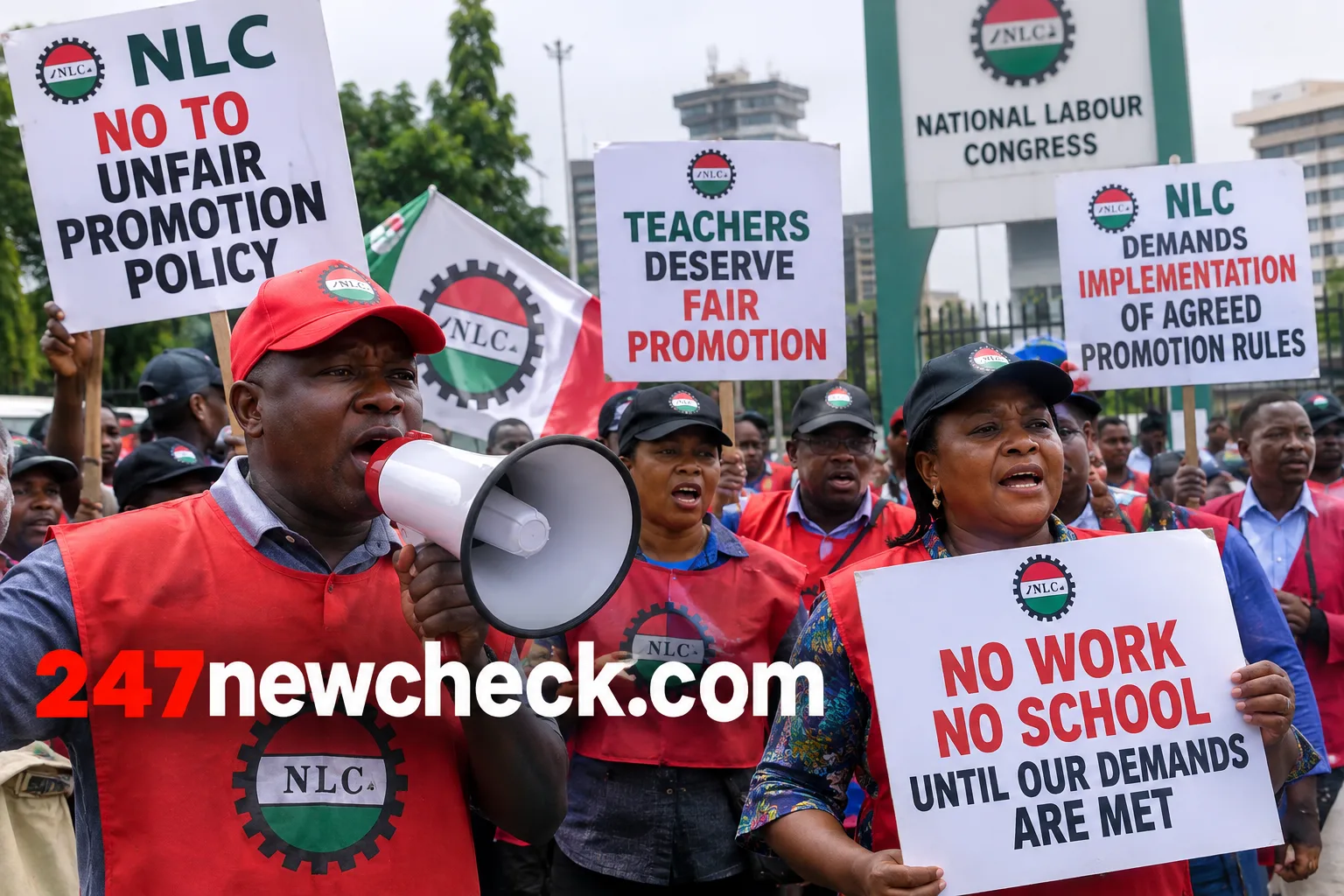
The Nigeria Labour Congress (NLC) has given the Federal Government 14 days to take action on petrol prices, begin negotiations for a new national minimum wage and address outstanding agreements affecting Nigerian workers.
The ultimatum marks a renewed push by organised labour for measures to ease the pressure of rising living costs on workers and their families. The union has warned that failure to address its demands within the stipulated period could lead to further action.
The dispute centres on three major concerns: the cost of petrol, workers’ earnings and the implementation of outstanding labour agreements.
For many Nigerian households, these issues are directly connected to everyday expenses, including transportation, food, rent, healthcare and education. The outcome of discussions between the government and organised labour could therefore have implications beyond the workplace.
Why the NLC Is Demanding Urgent Action
The NLC argues that the rising cost of living has weakened workers’ purchasing power and made it increasingly difficult for many households to meet their basic needs.
When the prices of essential goods and services increase faster than income, workers may find themselves spending a larger share of their earnings on necessities. This can leave less money available for savings, education, healthcare and unexpected expenses.
The union wants the Federal Government to address these pressures through measures affecting petrol prices and a fresh process for negotiating workers’ minimum wage.
For an employee who travels to work every day, higher transport fares can significantly affect the monthly household budget. Traders and small businesses also face additional costs when moving goods or delivering services becomes more expensive.
The NLC’s position is that workers need practical measures to help them cope with the current economic situation.
NLC Calls for Reduction in Petrol Prices
One of the union’s major demands is a reduction in the price of Premium Motor Spirit, commonly known as petrol.
The Congress wants petrol prices reduced to the level that prevailed when the current national minimum wage was signed into law in 2024.
Fuel costs affect more than motorists. Transport operators must account for the cost of running their vehicles, while businesses that depend on road transportation may face higher distribution expenses. These costs can influence the prices consumers pay for food, household products and other goods.
The effect can be particularly difficult for low-income households, where a greater proportion of monthly earnings goes towards essential spending.
The NLC wants the government to take steps to address petrol prices within the period set out in its ultimatum.
However, the union’s demand should not be interpreted as confirmation that petrol prices have already been reduced. Any actual change will depend on measures announced and implemented by the relevant authorities.
Minimum Wage Negotiations Remain a Key Demand
The Congress is also calling for negotiations on a new national minimum wage to begin before the end of October.
Nigeria’s current national minimum wage of ₦70,000 was signed into law in July 2024. The NLC argues that increases in living expenses have reduced the purchasing power of workers and made a fresh discussion about wages necessary.
The value of a salary depends not only on the amount received but also on the goods and services that the money can purchase. When food, transportation, housing and healthcare become more expensive, a worker’s income may no longer cover the same needs it previously met.
The union wants negotiations to consider the economic pressures facing workers and the need for earnings that better reflect the cost of living.
It is important to distinguish between a demand to begin negotiations and an approved wage increase. No new minimum wage should be treated as agreed until the relevant parties have completed the necessary process and formal announcements have been made.
Outstanding Labour Agreements Also Under Review
Beyond petrol prices and minimum wage negotiations, the NLC wants the government to address unresolved labour matters.
The union has raised concerns about the implementation of agreements involving the Joint Health Sector Unions and Assembly of Healthcare Professionals, as well as outstanding demands raised by the Joint Public Sector Negotiating Council.
Other issues include agreed tax relief for workers and the payment of wage awards intended to cushion the effects of rising living costs.
For employees awaiting the implementation of previous agreements, these matters are important because they concern benefits and commitments that may directly affect their welfare.
The Congress wants these outstanding issues addressed alongside its wider demands on fuel prices and wages.
What Happens If the Government Misses the Deadline?
The NLC has warned that failure to meet its demands within the 14-day period could lead to further action, subject to decisions by the union’s relevant organs.
The warning raises the possibility of renewed industrial tension if the government and organised labour fail to reach an understanding.
However, an ultimatum is not the same as a confirmed nationwide strike. The next step will depend on the government’s response and the decisions the union makes after assessing any proposals or progress.
A prolonged disagreement could affect public institutions, businesses and workers, depending on the form of action eventually announced. This makes dialogue and clear communication between the parties important in the coming weeks.
Nigerians should therefore follow formal announcements from the government and the NLC rather than rely on speculation about possible industrial action.
How the Dispute Could Affect Ordinary Nigerians
Although the ultimatum comes from a labour organisation, its implications extend beyond union members.
Commuters are affected by transport fares, traders face the cost of moving goods, and families must balance food, rent, healthcare and education against their available income.
A reduction in petrol prices could ease some of these pressures, although the extent of any relief would depend on the size of the reduction and how transport operators and businesses respond.
Similarly, the start of minimum wage negotiations would create an opportunity to discuss workers’ earnings, but it would not automatically put additional money into employees’ pockets.
For workers and their families, the central concern is whether the coming discussions will produce practical improvements in their ability to meet everyday expenses.
Three Developments Nigerians Should Watch
As the deadline approaches, three developments will be particularly important.
First, the government’s response. Nigerians will want to know whether the Federal Government intends to take concrete steps on petrol prices and the other demands raised by organised labour.
Second, the start of wage negotiations. Workers will be watching to see whether discussions on a new minimum wage begin before the end of October.
Third, the NLC’s next decision. The union will need to assess the government’s response and determine whether sufficient progress has been made on its demands.
These developments will help show whether the dispute is moving towards an agreement or a fresh period of industrial tension.
Conclusion
The NLC’s 14-day ultimatum has brought petrol prices, minimum wage negotiations and outstanding workers’ agreements back into focus.
The union wants the Federal Government to respond within the deadline, arguing that workers need practical relief from rising living expenses. The administration’s response will help determine whether the parties move towards a negotiated solution or further industrial confrontation.
For millions of Nigerians managing household expenses on limited incomes, the most important question is whether the coming discussions will lead to meaningful improvements in their daily lives.
247NewsCheck will continue to follow the issue and report verified developments as they emerge.
Stay with 247NewsCheck for independent news, trusted reporting and updates that matter to Nigerians.