
State Police Reform Moves Forward, but Major Hurdles Remain
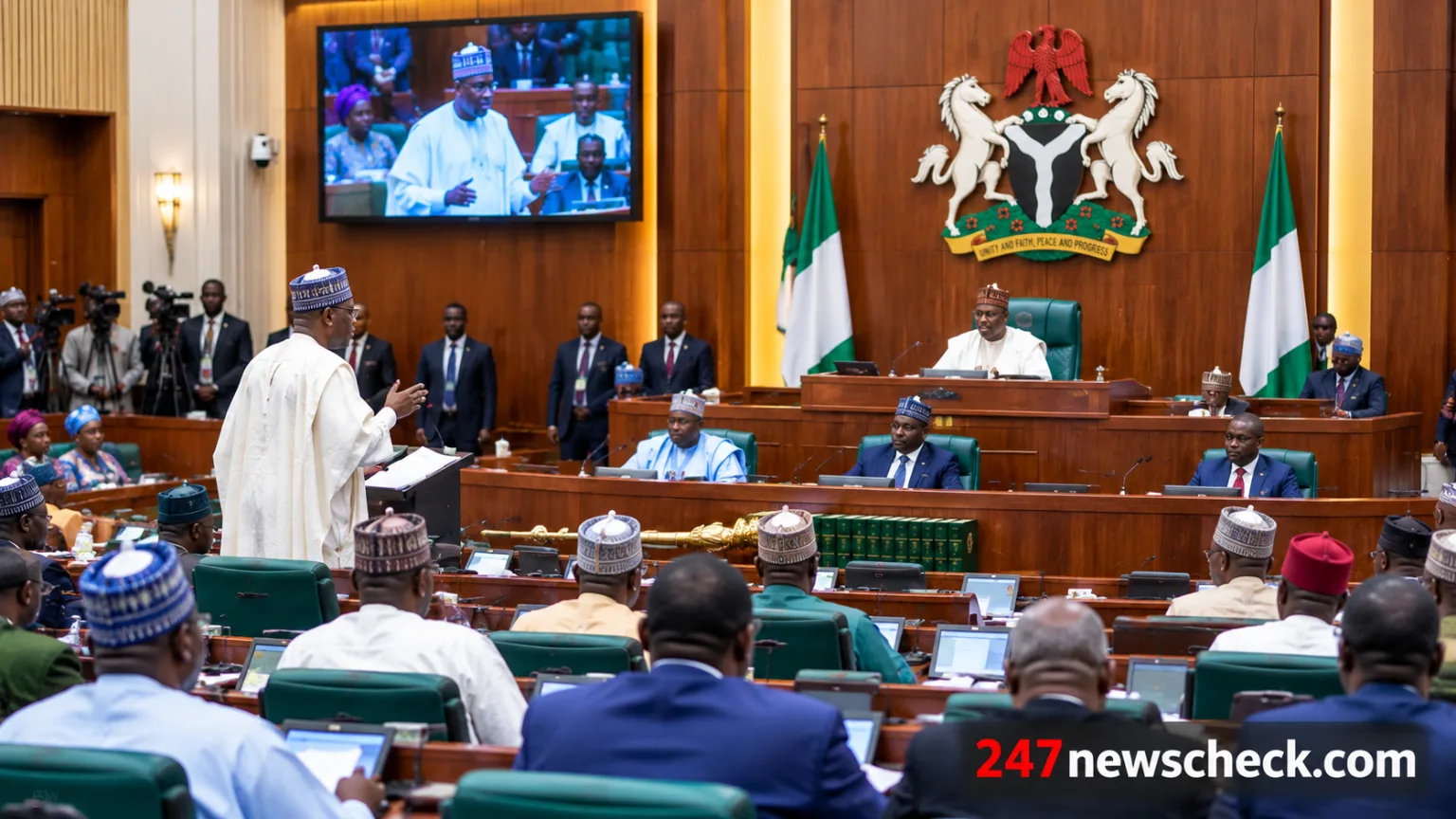
Nigeria’s proposal to establish state police services has moved into another stage, with 12 state Houses of Assembly reportedly approving the constitutional amendment as of October 21, 2026. However, the proposal has yet to secure the minimum support required from state legislatures to advance through the constitutional amendment process.
The development comes as the Federal Government’s Presidential Working Group on the National Policing Bill has submitted its draft legislation and 29 related amendment bills to the Federal Ministry of Justice for review and validation.
The two developments represent separate parts of the reform process: the constitutional amendment would create the legal basis for a dual policing structure, while the proposed National Policing Bill is intended to establish the framework for its operation.
Neither development should be mistaken for confirmation that state police services are already operational.
What Has Actually Been Approved?
The Constitution of the Federal Republic of Nigeria, 1999 (Sixth Alteration) Bill, 2026, was passed by the Senate on June 24 and the House of Representatives on July 23 before being transmitted to the 36 state Houses of Assembly on September 16 for consideration.
According to reports published on October 21, the states that had approved the proposal were Edo, Osun, Oyo, Rivers, Zamfara, Plateau, Taraba, Ogun, Delta, Kwara, Adamawa and Nasarawa.
Nasarawa’s approval brought the reported total to 12 state assemblies.
Under Section 9(2) of the 1999 Constitution, a constitutional alteration of this kind requires approval by at least two-thirds of the 36 state Houses of Assembly, equivalent to 24 states.
The proposal therefore still needs approval from at least 12 additional state assemblies to reach that threshold. Further constitutional procedures would also have to be completed before the proposed framework could take effect.
National Policing Bill Enters Legal Review
The Presidential Working Group on the National Policing Bill announced that it had submitted the draft National Policing Bill, 2026, and 29 consequential amendment bills to the Federal Ministry of Justice on October 19.
The ministry is expected to review the drafts for legal consistency and legislative drafting standards before returning them to the working group for further consideration.
The submission followed earlier remarks by the President’s Chief of Staff, Femi Gbajabiamila, who said the draft bill was approximately 90 per cent ready on October 15.
The draft is intended to support a policing structure comprising a Federal Police Service and State Police Services. The constitutional amendment and the operational legislation must work together to establish the legal authority, responsibilities and oversight arrangements required for such a system.
The next steps will depend on the outcome of the legal review, the completion of the constitutional process and subsequent legislative action.
Why Supporters Want State Police
Supporters argue that a more decentralised policing system could help law enforcement respond more effectively to local security threats.
Nigeria faces different security challenges across its states, including kidnapping, banditry, terrorism, communal violence and farmer-herder conflicts. Advocates believe state-based services could improve local intelligence gathering, strengthen community engagement and reduce delays in responding to incidents.
State governments may also be better positioned to understand local languages, geography and community dynamics, provided their police services operate within clear national standards and respect constitutional rights.
However, the potential benefits would depend on effective recruitment, training, equipment, coordination and professional standards. Creating additional police structures alone would not automatically resolve the country’s security problems.
Concerns Over Political Interference and Human Rights
The proposal has also raised important questions about how state police would be protected from political abuse.
Critics have warned that governors or other powerful political figures could attempt to use state-controlled officers to intimidate opponents, journalists, protesters or vulnerable communities.
There are also concerns about whether poorer states could adequately fund police salaries, training, equipment, forensic services and independent oversight. Unequal resources between states could produce significant differences in operational capacity.
A credible framework would need clear rules on recruitment and promotion, operational command, complaints procedures, disciplinary action, investigations into misconduct and independent monitoring.
It would also need safeguards against unlawful detention, excessive use of force, discrimination and the deployment of police for partisan political purposes.
Federal and state policing bodies would require defined responsibilities and reliable mechanisms for sharing intelligence and coordinating operations across state boundaries.
What Safeguards Should Be Considered?
Before the reform is implemented, lawmakers and policymakers should ensure that the constitutional and legislative frameworks address several key issues.
First, police appointments and promotions should be guided by professional qualifications and transparent procedures rather than political loyalty.
Second, complaints against officers should be investigated through credible and accessible mechanisms, with meaningful consequences where misconduct is established.
Third, state police services should be subject to clear legal limits on their powers, alongside judicial oversight and protections for fundamental rights.
Fourth, funding arrangements should be realistic and transparent, with sufficient resources for training, equipment, communications and public accountability.
Finally, the framework should define how state and federal police services will cooperate when investigations or security operations cross state boundaries.
These safeguards are central to ensuring that decentralisation improves public safety without creating additional opportunities for abuse.
What Happens Next?
The immediate priorities are to complete the review of the draft National Policing Bill and related amendments, continue the consideration of the constitutional amendment by state legislatures, and clarify the legal and institutional arrangements needed for implementation.
The reported approval by 12 state assemblies marks progress, but the proposal remains short of the 24-state constitutional threshold.
The public should therefore distinguish between legislative progress and the establishment of functioning state police services. Further official announcements will be needed to confirm when the constitutional requirements have been met and what legislative steps will follow.
Conclusion
Nigeria’s state police debate has advanced, but the reform is not yet complete. Twelve state assemblies have reportedly approved the constitutional amendment, while the draft National Policing Bill has entered legal review.
The proposal offers an opportunity to reconsider how policing responsibilities are distributed across the federation. Its success, however, will depend not only on decentralising authority but also on professional standards, adequate funding, human rights protections and safeguards against political interference.
For Nigerians seeking better security, the decisive measure will be whether any new system can protect lives and property effectively, fairly and accountably.
Source Attribution
Premium Times, October 21, 2026: reporting on Nasarawa’s approval and the 12-state total.
The PUNCH, October 21, 2026: reporting on the draft National Policing Bill and related amendment bills submitted for legal review.
The State House, October 15, 2026: official statement on the progress of the National Policing Bill.
From 247NewsCheck Editorial Desk
From 247NewsCheck Editorial Desk